## min read

Mood Stabilizers for Depression and Anxiety: What You Need to Know

|

January 5, 2026

Summarize with AI

Mood Stabilizers for Depression and Anxiety: What You Need to Know

Living with mood changes can be challenging. If you experience frequent shifts in how you feel or struggle with persistent depression or anxiety, you might have heard about mood stabilizers. These medications help many people find balance in their emotional lives.

Imagine Lola, who for years has struggled with overwhelming anxiety that comes in waves. Some days, she feels so tense she can barely leave her apartment. On other days, her anxiety gives way to deep sadness and fatigue. Traditional anxiety medications helped somewhat, but the cycling between anxiety and depression continued. When her doctor suggested trying mood stabilizers for anxiety, Lola was hesitant but desperate for relief. 

Within weeks of starting treatment, she noticed the intense emotional waves beginning to calm. For the first time in years, Lola experienced more stable days where she could focus on work and relationships instead of being controlled by her symptoms.

Stories like Lola's are common among people who are discovering how mood stabilizers might help with complex emotional struggles. Let's explore how these medications might help you or someone you care about.

What Are Mood Stabilizers?

Mood stabilizers are medications that help control emotional ups and downs. While they were first developed to treat bipolar disorder, doctors now sometimes prescribe them for other conditions, including certain types of depression and anxiety.

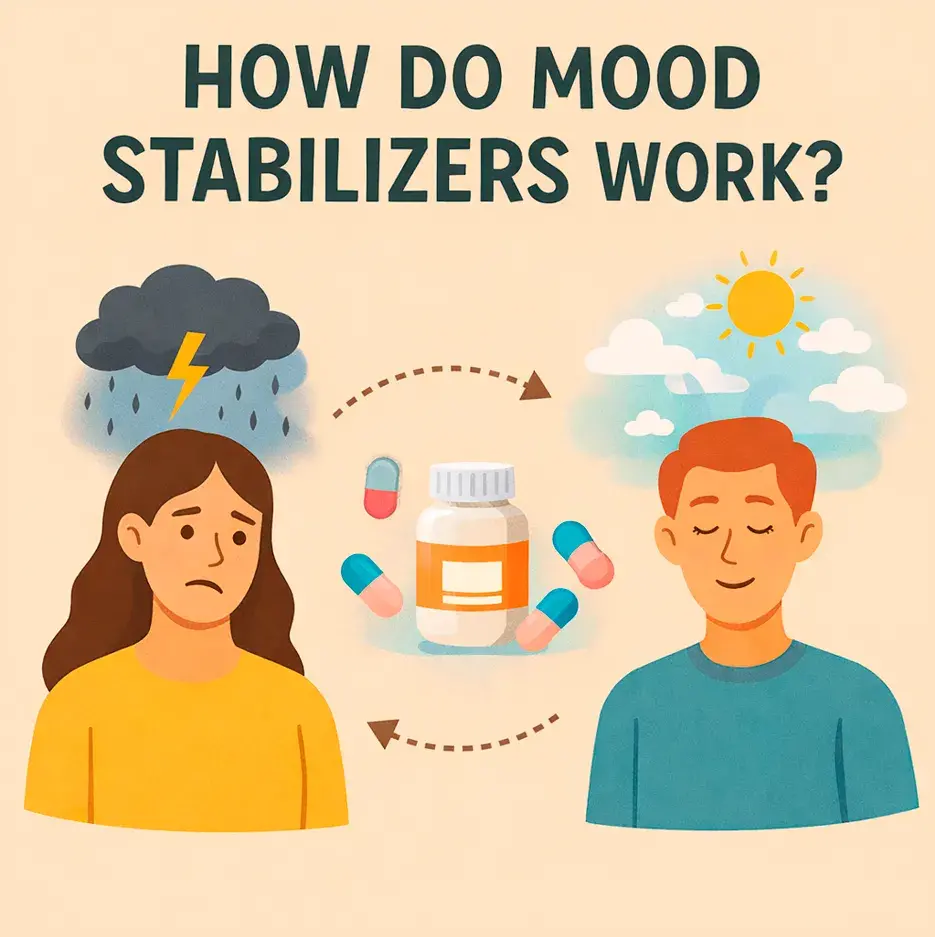
These medications work by calming the brain circuits that regulate our emotions. By bringing more balance to these systems, mood stabilizers for anxiety can help reduce overwhelming feelings and create more emotional stability in daily life.

How Do Mood Stabilizers Work for Depression and Anxiety?

When you experience anxiety or depression, certain chemical messengers in your brain may become unbalanced. Mood stabilizers help restore this balance by affecting these brain chemicals and their travel pathways.

For those with anxiety, persistent worry can feel like being stuck in "high alert" mode. Mood stabilizer anxiety treatment works by calming the overactive brain circuits, helping to reduce the intensity of anxious feelings.

For depression, these medications help prevent deep emotional lows and reduce the irritability or agitation that often accompany depressive episodes. However, without ongoing support and therapeutic engagement, meaningful progress can be limited. That’s why Amae Health exists - to provide comprehensive care that supports both emotional stabilization and long-term healing. This combination of mood stabilizers and external support is especially effective for individuals whose depression includes both low mood and episodes of anxiety or agitation.

Types of Mood Stabilizers

Several types of mood stabilizers are commonly prescribed. Your doctor will recommend one based on your specific symptoms and medical history. Each type works slightly differently in the brain, which explains why some people respond better to one medication than another. 

Finding the right mood stabilizer often involves trying different options. But remember, it's essential to do this under careful medical supervision. Understanding the key differences between these medications will help you have more informed conversations with your doctor about treatment options.

Lithium

Lithium is one of the oldest and most studied mood stabilizers. It works by affecting how certain minerals and chemicals move through brain cells. Lithium is particularly effective for preventing severe mood episodes and reducing suicidal thoughts.

Side Effects of Lithium

Common side effects include:

  • Increased thirst and urination
  • Mild hand tremors
  • Nausea, especially when first starting
  • Weight gain

Lithium requires regular blood tests to ensure your body's level stays within a safe range. Too much lithium can be harmful, so following your doctor's instructions about testing is essential.

Anticonvulsants

Originally developed to treat seizures, certain anticonvulsant medications have proven effective as mood stabilizers for anxiety and mood disorders.

  • Valproic acid (Depakote) helps by increasing levels of a calming brain chemical called GABA. It can be beneficial for people who experience rapid mood changes or agitation with their depression or anxiety.
  • Lamotrigine (Lamictal) works differently from other mood stabilizers, making it especially useful for preventing depressive episodes. It's often prescribed for people who primarily struggle with the "low" side of mood disorders.
  • Carbamazepine (Tegretol) affects sodium channels in the brain, which helps stabilize the electrical activity of brain cells. This stabilization helps reduce mood swings and can improve symptoms of mood stabilizer anxiety conditions.

Side Effects of Anticonvulsants

These medications may cause:

  • Dizziness or drowsiness
  • Headaches
  • Nausea or stomach upset
  • Vision changes

Lamotrigine requires special attention when starting, as it can cause a serious rash in some people. Your doctor will typically start with a very low dose and increase it slowly to reduce this risk.

Antipsychotics

Newer antipsychotic medications are sometimes used as mood stabilizers. These medications affect dopamine and serotonin, two necessary brain chemicals influencing mood and thinking.

  • Quetiapine (Seroquel) can be helpful for both anxiety and depression. Its calming effects make it useful for treating mood stabilizers and anxiety symptoms, especially when sleep is affected.
  • Aripiprazole (Abilify) works differently from other antipsychotics and may help improve depression symptoms when added to antidepressant treatment.
  • Olanzapine (Zyprexa) is sometimes combined with the antidepressant fluoxetine (creating a medication called Symbyax) to treat bipolar depression and treatment-resistant depression.

Side Effects of Antipsychotics

These medications may cause:

  • Weight gain
  • Drowsiness
  • Dry mouth
  • Dizziness
  • Restlessness

Some antipsychotics require monitoring for metabolic changes, including effects on blood sugar and cholesterol levels.

Mood Stabilizers vs. Antidepressants

Many people wonder about the difference between mood stabilizers and antidepressants. While there's some overlap in their use, they work in different ways.

Antidepressants primarily target depression by increasing certain brain chemicals like serotonin or norepinephrine. They're designed to lift mood from below-normal to normal levels.

Mood stabilizers, in contrast, help prevent both the highs and lows of mood disorders. They can be particularly useful when depression is part of a condition that also includes periods of elevated mood, irritability, or agitation.

For some people with anxiety, traditional antidepressants work well. But for others, especially those with more complex symptoms or those who haven't responded well to antidepressants alone, mood stabilizers anxiety treatment might be more effective.

Should You Take Mood Stabilizers or Antidepressants?

This critical question requires careful consideration with your healthcare provider. The right choice depends on your specific symptoms, medical history, and how you've responded to previous treatments. Mood stabilizers might be more appropriate if:

  • Your depression includes significant irritability or agitation
  • You experience rapid mood changes throughout the day
  • Antidepressants have caused worsening symptoms or increased anxiety in the past
  • Your anxiety includes racing thoughts or difficulty sleeping

At Amae Health, our specialists take time to understand your unique experience before recommending any medication. We believe in personalized treatment that addresses your needs, not one-size-fits-all approaches.

Alternatives to Mood Stabilizers

While medication is often essential to treatment, some people also benefit from approaches. These should be discussed with your healthcare provider, as they can interact with medications and aren't right for everyone.

St. John's Wort

This herbal supplement may help with mild depression. However, it can interact with many medications and isn't recommended for severe depression or bipolar disorder. It should never be combined with prescription antidepressants.

Rhodiola Rosea

This adaptogenic herb may help the body respond better to stress. Some research suggests it might help with mild to moderate depression and anxiety symptoms.

Omega-3 Fatty Acids

Found in fish oil and some plant sources, omega-3 fatty acids support brain health. Some studies suggest they may help improve mood and reduce anxiety when used alongside conventional treatments.

5-HTP (5-Hydroxytryptophan)

This compound is involved in serotonin production in the brain. While some find it helpful for mood, it should not be combined with antidepressants as this combination can cause dangerous side effects.

When Should You Consider Mood Stabilizers?

Consider talking to your healthcare provider about mood stabilizers if:

  • Your depression includes significant irritability or agitation
  • You experience rapid shifts in your mood or energy levels
  • Traditional antidepressants haven't worked well or have worsened your symptoms
  • Your anxiety feels like it's connected to racing thoughts or feeling "wired"
  • You have a family history of bipolar disorder

At Amae Health, we understand that seeking help for mood or anxiety concerns takes courage. Our team creates a supportive environment where you can discuss all your treatment options without judgment.

Frequently Asked Questions (FAQ)

Can Mood Stabilizers Treat Anxiety?

Yes, mood stabilizer anxiety treatment can be effective, especially for people who experience anxiety along with mood swings or who haven't responded well to traditional anxiety treatments. These medications help calm the brain's overactive circuits that contribute to anxious feelings.

Specific mood stabilizers that may help with anxiety include:

  • Valproate (Depakote): Treats panic attacks and other anxiety symptoms.
  • Gabapentin (Neurontin): Effective for social anxiety and generalized anxiety disorder (GAD).
  • Pregabalin (Lyrica): Useful for treating GAD and social anxiety.
  • Lamotrigine (Lamictal): May help with anxiety symptoms, mainly when they occur alongside mood disorders.
  • Quetiapine (Seroquel): Often helpful for anxiety, particularly when it affects sleep.

Are antidepressants considered mood stabilizers?

No, they're different medication classes. While antidepressants lift depression, they don't typically prevent mood swings. Some people need both types of medication for optimal symptom management.

How long should you take mood stabilizers?

Treatment duration varies based on your specific condition and response to medication. Many people with recurring mood or anxiety disorders benefit from longer-term treatment, while others may need them for shorter periods. Your Amae Health provider will work with you to determine the proper treatment timeline for your unique situation.

What happens if you stop mood stabilizers suddenly?

Abruptly stopping mood stabilizers can lead to withdrawal symptoms and a return of mood symptoms, sometimes more severely than before. Always work with your healthcare provider to gradually reduce your medication if you decide to discontinue it.

Can mood stabilizers affect your personality?

When working correctly, mood stabilizers should not change your core personality. Instead, they help reduce the extreme emotions that might make it difficult for your true self to shine through. Many people feel "more like themselves" once their symptoms are well-managed.

Can you mix alcohol with mood stabilizers?

Alcohol is generally not recommended while taking mood stabilizers. Alcohol can increase side effects like drowsiness and dizziness, reduce the effectiveness of your medication, and sometimes create dangerous interactions. Your Amae Health provider can discuss this in more detail based on your medication.

Are mood stabilizers safe during pregnancy?

It is a complex question that requires individual consideration. Some mood stabilizers carry risks during pregnancy, while untreated mood disorders also pose risks to both mother and baby. If you're pregnant or planning to become pregnant, your healthcare provider can help you weigh the benefits and risks of treatment options.

Getting Professional Help from Amae Health

At Amae Health, we understand that living with depression or anxiety can be overwhelming. Our approach to care goes beyond simply prescribing medication. We believe in treating the whole person, not just the symptoms.

Our specialists take time to understand your unique experience. We consider your personal history, current life circumstances, and goals for treatment. This comprehensive approach helps us create a personalized care plan that may include the right medication, supportive therapy, and lifestyle changes.

If you're considering mood stabilizers or any other treatment for depression or anxiety, the team at Amae Health provides:

  • Thorough evaluation to understand your specific symptoms
  • Clear, jargon-free explanations of medication options
  • Regular follow-up to monitor your progress and address any side effects
  • Supportive therapy to develop coping skills alongside medication treatment
  • A warm, non-judgmental environment where your concerns are heard

Remember, seeking help for mental health concerns is a sign of strength, not weakness. With the proper support and treatment, many people find significant relief from depression and anxiety symptoms.

Whether mood stabilizers are right for you or another approach is more suitable, taking that first step toward treatment is what matters most. Contact Amae Health today to begin your journey toward improved mental wellness and a more balanced emotional life.

Medical Disclaimer

This blog post is provided by Amae Health for educational and informational purposes only. The content is not intended to be a substitute for professional medical advice, diagnosis, or treatment.

Always seek the advice of your physician or other qualified health provider with any questions you may have regarding a medical condition, treatment options, or before making any changes to your medication regimen.

Reliance on any information provided in this article is solely at your own risk. If you believe you are experiencing a medical emergency, call 911 (or your local emergency services) immediately.

Reccomended for you

# min read

What is the Typical Duration of a Mental Health Rehab Program?

By

Sonia Garcia

|

April 10, 2025

Have you ever wondered what influences our psychological well-being? Many would point to stress as a key factor, often driving people to turn to substances that harm their mental health. While seeking treatment for mental health issues can be challenging, it’s an essential step toward recovery. When exploring treatment options, it’s important to understand the typical duration of mental health rehabilitation programs.

Mental health treatment can take time, and the duration varies depending on several factors. It's important to consider the elements that influence the length of psychiatric rehab. By understanding these factors, you or your loved ones can make informed decisions about treatment and feel empowered to avoid delaying the recovery process.

Factors Influencing the Duration of Mental Health Rehabilitation

Several key factors play a role in determining how long mental health rehab treatment may last. Let's explore these factors to better understand what to expect.

Type and Severity of Mental Health Condition

The nature and intensity of one’s mental health condition significantly impact the duration of treatment. Some common conditions treated in rehabilitation programs for mental health issues include:

  • Depression
  • Anxiety disorders
  • Bipolar disorder
  • Schizophrenia
  • Post-traumatic stress disorder (PTSD)
  • Eating disorders
  • Substance use disorders co-occurring with mental health issues

More severe or complex conditions often require longer treatment periods. For instance, a person with mild depression might benefit from a shorter program. However, someone dealing with severe schizophrenia may need extended care to achieve stability and develop coping skills to promote long term recovery.

The presence of multiple diagnoses, known as co-occurring disorders, can also extend the treatment duration. Addressing interrelated conditions requires a more comprehensive and time-intensive approach to ensure effective, long-lasting recovery.

Individualized Treatment Plans

Every person's mental health journey is unique. Mental rehab programs recognize this and offer tailored treatment plans. These plans consider factors such as:

  • Personal history and experiences
  • Support system and family dynamics
  • Physical health and any co-occurring medical conditions
  • Previous treatment attempts and outcomes
  • Personal goals and aspirations

Such an individualized approach means that treatment duration can vary even amongst people with similar diagnoses. Some individuals may progress quickly, while others might need more time to achieve their recovery goals.

Inpatient vs. Outpatient Care Options

The choice between inpatient and outpatient care significantly impacts the duration of psychiatric rehab. Let's examine these options:

Inpatient Care:

  • Provides 24/7 supervision and support
  • Offers a structured environment away from daily stressors
  • Typically, lasts from a few weeks to several months
  • Best for severe conditions or when a safe, controlled setting is necessary

Outpatient Care:

  • Allows individuals to live at home while attending treatment sessions
  • Can range from a few hours a week to daily intensive programming
  • May last several months to a year or more

The choice between these options depends on the individual's needs, condition severity, and life circumstances. Some people may transition from inpatient to outpatient care as they progress through recovery.

Typical Duration of Different Types of Mental Health Rehab Programs

Understanding the various program types can help set realistic mental health rehab duration expectations. Let's explore some common program structures and their typical timeframes.

Short-Term Programs

Short-term rehab for mental illness programs typically last from 30 to 90 days. These programs are intensive, focused, and designed to address acute mental health crises or provide a foundation for recovery. Key features of short-term programs include:

  • Rapid stabilization of symptoms
  • Introduction to coping skills and therapeutic techniques
  • Development of a continuing care plan
  • Focus on immediate crisis resolution and safety planning

Short-term programs can be effective for individuals with milder conditions or those experiencing an acute episode. They often serve as a starting point for longer-term recovery efforts.

Long-Term Residential Programs

Long-term residential mental health rehab programs typically last six months to a year or more. These programs provide comprehensive care for individuals with severe or chronic mental health conditions. Benefits of long-term programs include:

  • Extended time to address deep-rooted issues
  • Opportunity to practice new skills in a supportive environment
  • Gradual reintegration into daily life and responsibilities
  • Intensive therapy and skill-building sessions

Long-term programs are often recommended for individuals with complex needs, a history of treatment resistance, or those requiring significant lifestyle changes to support recovery.

Intensive Outpatient Programs (IOP)

Intensive Outpatient Programs offer a middle ground between inpatient care and traditional outpatient therapy. IOPs typically run for 8-12 weeks but can extend longer if needed. Key aspects of IOPs include:

  • Multiple therapy sessions per week (usually 3-5)
  • Combination of individual and group therapy
  • Skill-building workshops and educational programming
  • Flexibility to maintain work or school commitments

IOPs are suitable for individuals who need more support than weekly therapy but don't require 24/7 supervision. They can be an excellent step-down option after inpatient care or an alternative to residential treatment.

Importance of Ongoing Support After Rehab

Recovery from mental health challenges is an ongoing process. A formal psychiatric rehab program is often just the beginning of a lifelong journey toward well-being. Continued support plays a crucial role in maintaining progress, preventing relapse, and achieving long term recovery.

Aftercare and Relapse Prevention

Aftercare is a vital component of long-term recovery. It helps individuals transition from a more structured treatment environment back to daily life. Discharge plans may include:

  • Regular check-ins with mental health professionals
  • Participation in support groups or 12-step programs
  • Continued medication management
  • Stress reduction techniques and lifestyle modifications
  • Crisis planning and identifying early warning signs of relapse

Relapse prevention strategies are tailored to each individual's needs and risk factors. These plans help people recognize and manage potential triggers, reducing the likelihood of setbacks.

Continuous Therapy and Counseling

Ongoing therapy is often recommended after completing an intensive mental illness rehab program. This continued support helps individuals:

  • Reinforce skills learned during rehab
  • Address new challenges as they arise
  • Maintain motivation for recovery
  • Adjust treatment approaches as needs change over time

The frequency of ongoing therapy can vary. Some individuals might benefit from weekly sessions, while others may need less frequent check-ins. The key is finding a balance that provides adequate support for long-term recovery without creating dependency.

How to Choose the Right Rehab Program

Selecting the appropriate rehab for mental illness is crucial for successful recovery. Consider the following factors when making your decision:

  • Program specialization and expertise in treating your specific condition
  • Treatment approaches and therapies offered
  • Staff qualifications and patient-to-staff ratio
  • Facility amenities and environment
  • Location and proximity to your support system
  • Insurance coverage and financial considerations
  • Discharge planning and support

Take time to research and ask questions. Many facilities offer tours or informational sessions to help you make an informed choice.

Mental Health Rehab in Los Angeles

Los Angeles offers a wide array of mental health treatment options. The city's diverse population and progressive healthcare landscape have led to the development of innovative and comprehensive mental rehab programs. Benefits of seeking Los Angeles-based treatment include:

  • Access to cutting-edge therapeutic approaches
  • Diverse treatment settings, from urban clinics to serene suburban facilities
  • Opportunities for holistic and alternative therapies
  • Rich cultural resources that can support recovery
  • An extensive network of mental health professionals and support groups

When considering psychiatric rehab in Los Angeles, research facilities thoroughly and consider how the urban environment might impact your recovery journey.

Amae Health Mental Health Rehab

Amae Health Clinic is the premier choice for severe mental health treatment in Los Angeles. Our comprehensive approach to mental health rehab combines evidence-based therapies with compassionate, whole-person care. Key features of Amae Health's programming include:

  • Personalized treatment plans tailored to individual needs
  • A multidisciplinary team of experienced mental health professionals
  • Integration of traditional and innovative therapeutic techniques
  • Focus on both symptom reduction and overall well-being
  • A comfortable and nurturing treatment environment
  • Robust discharge planning and support

At Amae Health, we understand that recovery looks different for everyone. Our flexible programs adapt to your progress, ensuring you receive the right level of care throughout recovery. Whether you require short-term crisis intervention or long-term support, our team is committed to guiding you toward lasting mental health and wellness.

Conclusion

The duration of mental rehab treatment programs vary widely, influenced by factors such as condition severity, individual needs, and treatment approach. While some may find relief via short-term programs, others benefit from longer-term care. The key is to focus on progress rather than a fixed timeline.

If you or a loved one are struggling with mental health challenges, reach out to professionals like those at Amae Health Clinic. With the proper support and commitment, recovery is possible, regardless of how long the journey may take.

# min read

Managing Uncontrolled Emotional Outbursts: A Comprehensive Guide

By

Sonia Garcia

|

March 21, 2025

Understanding Emotional Outbursts

We all experience intense emotions. However, for some people, managing these feelings can be particularly challenging. Emotional outbursts can happen to anyone, regardless of age or background. Recent studies show that approximately 1 in 4 adults struggle with emotional regulation issues.

Understanding these challenges is the first step toward better emotional health. The brain's emotional processing system is complex and unique to each person. Research from Stanford University indicates that emotional regulation skills can be developed and strengthened over time.

What Are Uncontrolled Emotional Outbursts?

Random emotional outbursts are sudden, intense expressions of emotion that feel difficult to control. These reactions often seem disproportionate to the triggering situation. A 2023 study by the American Psychological Association found that 32% of adults experience regular difficulties managing their emotions.

The intensity of an outburst of emotions can vary significantly. Some people might experience mild manifestations. Others might face more intense reactions. Understanding your pattern is crucial for management.

Common signs of an outburst of emotions include:

  • Sudden crying or laughing
  • Intense anger or frustration
  • Physical responses like trembling
  • Difficulty thinking clearly
  • Feeling overwhelmed
  • Racing thoughts
  • Increased heart rate
  • Muscle tension
  • Sweating

Psychological and Physiological Causes of Emotional Outbursts

Mental outbursts often have complex origins rooted in both mind and body. The amygdala, our brain's emotional center, can sometimes become overactive. It leads to stronger emotional responses.

Recent neurological studies have revealed fascinating insights. The brain's emotional processing centers can become more sensitive due to various factors. Stress hormones like cortisol play a significant role in this process. Several conditions can contribute to emotional dysregulation:

  • Anxiety disorders: make people more reactive to stress, often triggering sudden emotional outbursts.
  • PTSD: causes intense reactions when memories of past trauma surface unexpectedly.
  • ADHD: affects emotional control, leading to quick and impulsive outbursts of emotions.
  • Bipolar disorder: experiences intense mood swings that can trigger mental outbursts.
  • Depression often creates periods of emotional numbness followed by intense emotional release.
  • Borderline Personality Disorder: makes it difficult to maintain stable emotional responses.
  • Autism Spectrum Disorders: affects how people process emotions, sometimes leading to overwhelming feelings.
  • Hormonal imbalances directly impact mood stability and emotional control.

The connection between physical health and emotional regulation is significant. Poor sleep, nutrition, or exercise habits can intensify emotional outbursts. Understanding this mind-body connection helps in developing effective management strategies.

Common Triggers of Emotional Outbursts

Understanding what triggers emotional outbursts is crucial for managing them effectively. Research from Harvard Medical School suggests that identifying triggers can reduce outburst frequency by 60%.

Environmental factors often play a crucial role. Bright lights, loud noises, or crowded spaces might trigger some people. Others might react to more subtle environmental changes.

Common triggers include:

  • Work-related stress
  • Relationship conflicts
  • Physical exhaustion
  • Financial pressures
  • Health concerns
  • Sensory overload
  • Time pressure
  • Interpersonal conflicts
  • Unexpected changes
  • Past trauma reminders

The Role of Childhood Trauma and Developmental Factors

Early life experiences significantly shape our emotional responses. Studies show that 70% of adults with frequent random emotional outbursts experienced some form of childhood trauma.

The impact of early experiences extends into adult life in various ways. Children who don't learn healthy emotional regulation strategies often struggle as adults. The good news is that these patterns can be changed with proper support and practice.

Attachment styles formed in childhood influence adult emotional responses. Secure attachment typically leads to better emotional regulation. However, healing and growth are possible regardless of early experiences.

The Impact on Personal and Professional Life

Frequent mental outbursts can affect multiple areas of life. A recent workplace study revealed that 45% of professionals believe emotional regulation impacts their career progress.

In professional settings, emotional regulation challenges can affect team dynamics. They might lead to miscommunication or conflict. However, many successful professionals have learned to manage these challenges effectively.

Long-term effects may include:

  • Strained relationships
  • Decreased work performance
  • Lower self-esteem
  • Social isolation
  • Health problems
  • Career limitations
  • Financial stress
  • Relationship difficulties
  • Legal problems
  • Substance abuse risks

Techniques for Managing Emotional Outbursts

Immediate Response Strategies

When you feel an outburst of emotions building, try these proven techniques:

  • Deep Breathing: The 4-7-8 method helps calm your nervous system quickly. Inhale for four counts, hold for seven, then exhale for eight.
  • Grounding Exercises: Focus on five things you can see, four you can touch, three you can hear. This technique brings your mind back to the present moment.
  • Time-Out: Remove yourself from the triggering situation immediately. Find a quiet space where you can process your emotions safely.
  • Progressive Muscle Relaxation: Tense each muscle group for five seconds, then release. Start with your toes and work up to your face.
  • Visualization Techniques: Picture a calm, peaceful place in detail. Focus on the colors, sounds, and feelings of this safe space.
  • Counting Backwards: Start from 100 and count down by sevens. It redirects your mind from emotional intensity to problem-solving.
  • Physical Movement: Take a brief walk or stretch your body. Simple movements can help release emotional tension naturally.

Research shows these techniques work best when practiced regularly. The key is to start using them before emotions become overwhelming.

Long-Term Emotional Regulation Strategies

Building emotional resilience takes time and practice. Research shows that consistent practice of these techniques can reduce emotional outbursts by 40%:

  • Daily mindfulness meditation
  • Regular exercise
  • Adequate sleep
  • Stress management
  • Emotional awareness journaling
  • Social support networks
  • Healthy lifestyle choices
  • Regular self-reflection
  • Boundary setting
  • Stress-reduction activities

Professional Treatment Options

Professional help can make a significant difference. Studies indicate that 80% of people see improvement with proper treatment.

Modern therapy approaches combine traditional and innovative techniques. Virtual therapy options have made treatment more accessible. Group therapy can provide additional support and learning opportunities.

Effective therapy options include:

  • Cognitive Behavioral Therapy (CBT): CBT focuses on changing negative thought patterns and behaviors. It teaches you how to respond to triggers of emotional outbursts in healthier ways.
  • Dialectical Behavior Therapy (DBT): DBT is perfect for people struggling with intense emotions. It helps you learn mindfulness and new ways to handle mental outbursts.
  • EMDR for trauma-related outbursts: EMDR helps people process difficult memories through eye movements. It can reduce the intensity of random emotional outbursts linked to past trauma.
  • Schema Therapy: This therapy looks at patterns from your early life. It helps you find new ways to handle emotions and needs without emotional outbursts.
  • Psychodynamic Therapy: This method explores how your past affects your present emotions. It helps you understand why you experience outbursts of emotions.
  • Group Therapy: You meet with others who face similar challenges. You can learn from their experiences and share your own journey with emotional outbursts.
  • Family Therapy: Your family learns how to support you during difficult times. Everyone works together to create a more understanding home environment.

Medication Management

In some cases, medication may help manage random emotional outbursts. Always consult with a qualified healthcare provider about treatment options.

The decision to use medication should be carefully considered. Different medications work differently for each person. Regular monitoring and adjustment are often necessary.

Common medications include:

  • Mood stabilizers: These medications help balance extreme emotional highs and lows. They work by regulating brain chemicals that control emotional outbursts and are often prescribed for bipolar disorder.
  • Anti-anxiety medications: These drugs reduce feelings of anxiety and panic that can trigger outbursts of emotions. They help calm the nervous system and provide relief from overwhelming thoughts.
  • Antidepressants: These medications regulate serotonin and other brain chemicals to improve mood stability. They can help reduce the frequency of mental outbursts by treating underlying depression.
  • Beta-blockers: These medications reduce physical symptoms of anxiety like rapid heartbeat and trembling. They help control the body's fight-or-flight response during stressful situations.
  • Antipsychotics (in specific cases): These medications help manage severe emotional outbursts related to certain conditions. They work by balancing brain chemicals and are typically used when other treatments are ineffective.

Supporting a Loved One

When supporting someone experiencing emotional outbursts, understanding and consistency are crucial. Your calm presence can help them feel safe and understood. Staying calm during someone's outburst of emotions takes practice. Focus on your breathing and maintain a gentle tone of voice. Never raise your voice or show signs of frustration. Listen to their concerns without offering immediate solutions or judgments. Sometimes, people just need someone to hear their struggles.

Setting healthy boundaries protects both you and your loved one. Be clear about what support you can offer. Professional help can make a significant difference in managing random emotional outbursts. Gently suggest therapy or counseling when the moment feels right. Learning about their specific triggers helps prevent future mental outbursts. Pay attention to patterns and situations that cause distress. Create a calm environment when possible.

Remember to take care of yourself while supporting others. You can't pour from an empty cup. Schedule regular self-care activities and maintain your support network. Show consistent support through both difficult and good times. Small gestures of care matter just as much as big ones. Your reliable presence helps build trust and security. Creating a balance between support and self-care leads to better outcomes for everyone involved.

Conclusion

Managing emotional outbursts is a journey that requires patience and commitment. With the right support and tools, significant improvement is possible. Studies show that 85% of people seeking help learn to manage their emotions better.

Success in managing emotions often comes gradually. Small improvements lead to significant changes over time. Each person's journey is unique and worthy of respect and support.

Remember, seeking help isn't a sign of weakness – it's a step toward better emotional health. If you're struggling with emotional regulation, consider reaching out to mental health professionals who specialize in this area.

At Amae Health, we understand the challenges of managing emotional responses. Our integrated care approach combines clinical expertise with compassionate support to help you thrive. Let's work together to develop strategies that work for you.

# min read

What is Attention-Seeking Behavior?

By

Sonia Garcia

|

April 29, 2025

Attention-seeking behavior are ways individuals express their need for connection, validation, or reassurance. Such behavior can manifest in different ways, from exaggerated emotionality and dramatization of events to provocative statements or unusual dress.

To a greater or lesser extent, attention-seeking behavior is inherent in all people. It is a natural part of human nature. We are all social beings; recognition and acceptance are basic psychological needs. However, the intensity of this need varies considerably depending on age and life circumstances.

In children, attention-seeking behavior is a normal stage of development. Babies may cry loudly, become cranky, or throw tantrums. This is their way of trying to get their parent's attention. As they grow older, most people learn to get the attention they need in socially acceptable ways. However, in times of stress or uncertainty, even adults may resort to more overt forms of attention-seeking.

During adolescence, attention-seeking often intensifies. This is due to identity formation and increased sensitivity to peer opinion. In adulthood, this behavior usually becomes more restrained. But, it can become more active during life crises or when social interaction is lacking.

Is Attention-Seeking Behavior a Sign of a Disorder?

It is essential to distinguish between normal attention-seeking behavior and pathological attention-seeking behavior. Typical behavior of this kind:

  • Is situational and not persistent
  • Does not significantly disrupt daily life and relationships
  • The person is usually aware of their motives
  • Does not cause significant distress to the person or others.

Pathological attention-seeking behavior, on the other hand, is characterized by:

  • Persistent and compulsive
  • Serious impairment of social and professional functioning
  • Inability to control impulses
  • Extreme distress at not receiving the desired attention
  • Willingness to take extreme measures to get attention

Associated Mental Health Disorders

Excessive attention-seeking can be a symptom of a variety of mental disorders:

  • Histrionic personality disorder. This problem is characterized by excessive emotionality, theatricality, and constant attention-seeking. People with this disorder often dramatize events. They may use provocative behavior and seek to be the center of attention.
  • Borderline personality disorder. It can also manifest itself in intense attention-seeking behavior, often associated with fear of loneliness and abandonment.
  • Narcissistic personality disorder. In this problem, attention-seeking is accompanied by a grandiose sense of self and a need for constant admiration.
  • Anxiety disorders. These sometimes manifest themselves through attention-seeking behavior to gain validation and reassurance.
  • Bipolar disorder. This problem during manic episodes may be accompanied by increased attention-seeking behavior.
  • Oppositional-defiant disorder. In children and adolescents, oppositional defiant disorder often manifests itself through attention-seeking behavior, including deliberate rule-breaking.

What Drives People to Seek Attention?

The origins of attention-seeking are diverse and may have several factors:

Psychological factors:

  • Low self-esteem and the need for external validation of one's worth
  • Feelings of insecurity and lack of recognition
  • Unmet need for intimacy and acceptance

Social factors:

  • Cultural norms that encourage individualism and social visibility
  • A competitive environment where attention means success
  • Modeling the behavior of significant others

Environmental factors:

  • Childhood experiences, especially if parental attention was inconsistent or conditioned
  • Traumatic experiences that create a need for validation and safety
  • The influence of social media, where attention is measured by likes and followers

Neurobiological studies show that receiving social attention activates the reward system in the brain. This triggers the release of dopamine, a neurotransmitter associated with pleasure and habit formation. This explains why attention-seeking can become self-reinforcing.

With social media, seeking attention has become easier than ever, sometimes turning likes and shares into a measure of self-worth. At Amae Health, we understand that attention-seeking behaviors often stem from deeper emotional needs. Our approach focuses on helping individuals identify these underlying factors and develop healthier ways to seek connection.

Attention-Seeking vs. Histrionic Personality Disorder

Differentiating Between the Two

Although attention-seeking is a key component of histrionic personality disorder, these concepts are not identical.

Attention seeking can be:

  • A temporary state in response to certain circumstances
  • Part of a normal behavioral repertoire
  • Moderate and not significantly problematic
  • Recognized and controlled

Histrionic personality disorder is a persistent pattern of internal experience and behavior that:

  • Is present continuously rather than situationally
  • Appears in all areas of life
  • Causes significant difficulties in social adjustment
  • It is accompanied by symptoms other than attention seeking.

Diagnostic Criteria for HPD

According to the DSM-5, histrionic personality disorder is diagnosed when at least five of the following criteria are present:

  • Discomfort in situations where the person is not the center of attention
  • Interactions with others are often characterized by inappropriate, sexually seductive, or provocative behavior
  • Rapidly changing and superficial expressions of emotion
  • Constant use of appearance to attract attention
  • Speech is overly impressionistic and lacking in detail
  • Demonstrative, theatrical, and exaggerated expression of emotion
  • Suggestibility, easily influenced by other people or circumstances
  • Perceiving relationships as more intimate than they really are

Impacts of Attention-Seeking Behavior

Attention-seeking behavior can seriously affect personal relationships:

  • Create emotional strain on partners and significant others
  • Cause feelings of manipulation and exhaustion in others
  • Lead to shallow and unstable relationships
  • Create cycles of crisis and dramatic reconciliation.

With histrionic personality disorder, these problems are exacerbated, often leading to chronic difficulty in maintaining healthy relationships.

In work and academic environments, excessive attention-seeking can:

  • Disrupt group dynamics and teamwork
  • Create conflict and tension within the team
  • Distract from tasks and reduce productivity
  • Build a reputation as an unreliable or difficult employee

People with strong attention-seeking behaviors may have difficulty in environments that require restraint and focus on the outcome rather than the process.

Management and Treatment Approaches

Cognitive behavioral therapy (CBT) effectively works with attention-seeking behavior by helping to identify and change maladaptive thoughts and behavioral patterns.

Dialectical behavior therapy (DBT) is particularly useful for histrionic personality disorder, teaching skills in emotion regulation, interpersonal effectiveness, and distress tolerance.

Group therapy provides a safe environment in which to receive healthy feedback on the effects of attention-seeking behaviors on others.

For those seeking to manage their attention-seeking, helpful:

  • Mindfulness techniques to help recognize impulses before they are realized
  • Developing self-reflection skills to understand underlying needs
  • Developing healthy ways of receiving affirmation and recognition
  • Balancing the need for attention with respect for the boundaries of others

Amae Health offers comprehensive programs for working with attention-seeking behaviors, including individual and group therapy, as well as online self-help resources.

Final thoughts

Attention-seeking behavior is a multifaceted phenomenon that exists on a spectrum from normal to pathological. Understanding its causes and manifestations helps professionals and ordinary people balance healthy attention-seeking behavior and its destructive forms.

It is important to remember that excessive attention-seeking behavior often hides unmet emotional needs, and addressing these underlying issues is key to long-term change. Whether the problem is a temporary reaction to stress or a manifestation of histrionic personality disorder, modern approaches in psychology and psychotherapy offer effective strategies for help and support.