
If you or someone you know is in immediate danger or having thoughts of self-harm, call 911 or go to the nearest emergency room. You can also call or text the Suicide & Crisis Lifeline at 988 for free, confidential support 24/7.
You're lying awake at 3 AM with your mind racing through tomorrow's worries, yet feeling too drained to care about things you once loved. Your heart pounds during everyday situations, but you're also pulling away from friends and family.
If this sounds familiar, you're not alone — anxiety and depression often appear together, creating a complex web of symptoms that can feel overwhelming. Understanding what's happening in your mind and body, recognizing the signs, and being aware of effective treatments can help you regain control.
If you’re wondering how to ask for help when depressed, start by choosing one trusted person, describing what you’re experiencing in simple terms, and asking for specific support. Professional help from therapists or mental health clinics can provide guidance when symptoms feel overwhelming.
How Are Anxiety and Depression Connected?
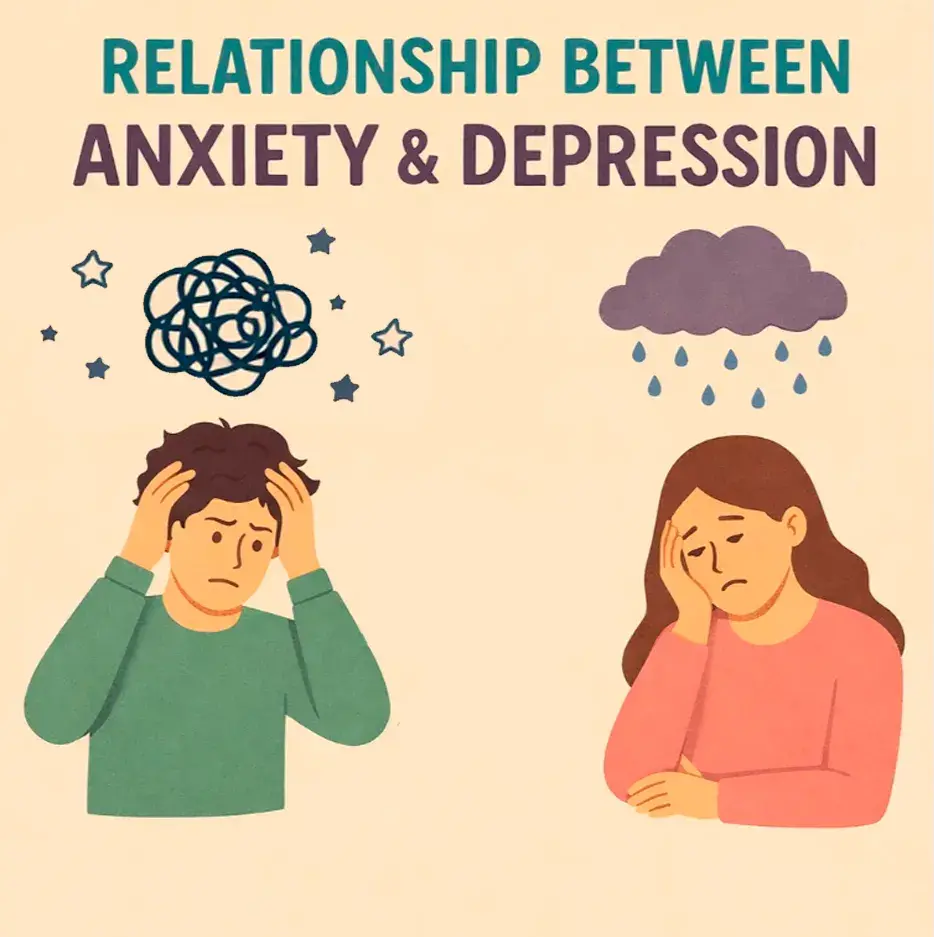
The relationship between anxiety and depression is more common than many people realize. Mental health professionals refer to this as "comorbidity" — when two conditions occur together in the same person. Research shows that about half of people diagnosed with major depression also experience significant anxiety symptoms, and vice versa.
These conditions often feed off each other in a cycle that can be difficult to break. Anxiety frequently comes first, with constant worry and fear gradually wearing down your emotional reserves. This mental exhaustion can lead to hopelessness and low energy characteristic of depression. Conversely, when you're depressed and withdrawing from activities, you might develop anxiety about your changing relationships, work performance, or ability to function normally.
The cycle looks like this: persistent worry leads to emotional and physical exhaustion, which triggers a low mood and avoidance behaviors, creating more situations to worry about. Understanding this connection helps explain why treating both conditions together often produces better outcomes than addressing them separately.
What Is Anxiety?
Anxiety is your body's natural alarm system gone into overdrive. While everyone experiences worry and fear sometimes, anxiety disorders involve excessive, persistent worry that interferes with daily life. The core features include hyperarousal (your nervous system staying "revved up") and worry that feels impossible to control.
Common anxiety symptoms include:
- Restlessness or feeling keyed up
- Racing heart or rapid breathing
- Difficulty sleeping or staying asleep
- Stomach upset or digestive issues
- Muscle tension, especially in the shoulders and jaw
- Difficulty concentrating due to racing thoughts
Anxiety disorders come in several forms. Generalized Anxiety Disorder (GAD) involves worry about many different areas of life. Panic disorder features sudden, intense episodes of fear. Social anxiety centers on fear of judgment in social situations, while specific phobias involve intense fear of particular objects or situations.
What Is Depression?
Depression goes far beyond temporary sadness or "having a bad day." It's a persistent condition that affects how you think, feel, and function. The hallmark features include prolonged low mood, loss of interest or pleasure in activities you once enjoyed, and significant fatigue that is not relieved by rest.
Depression also commonly involves feelings of guilt or worthlessness, difficulty concentrating or making decisions, changes in appetite and sleep patterns, and physical symptoms like headaches or unexplained aches. In severe cases, people may have thoughts of death or suicide.
Signs You May Have Both Disorders
When anxiety and depression occur together, symptoms can overlap and intensify each other. You might notice both the hyperarousal of anxiety and the low energy of depression, creating an exhausting internal conflict between feeling wired and tired simultaneously.
Watch for these combined symptoms:
- Racing thoughts mixed with feelings of hopelessness
- Fatigue coupled with restlessness or inability to sit still
- Difficulty sleeping due to both worry and low mood
- Loss of appetite from anxiety alongside changes in eating changes
- Avoiding social situations due to both fear and lack of interest
- Physical symptoms like headaches, rapid heartbeat, and muscle tension
- Irritability that stems from both anxiety and depression
- Trouble concentrating, whether from racing thoughts or mental fog
- Withdrawing from activities you once enjoyed
- Feeling overwhelmed by everyday tasks and decisions
If these symptoms are affecting your work, relationships, or daily functioning for two weeks or more, it's time to seek professional help.
How Clinicians Diagnose
Mental health professionals use several approaches to diagnose anxiety and depression. The process typically begins with a comprehensive clinical interview where you'll discuss your symptoms, their duration and severity, family history, and how they're impacting your life.
Your clinician will also rule out medical causes, as conditions like thyroid disorders, heart problems, or certain medications can mimic anxiety and depression symptoms. Blood tests or other medical evaluations might be recommended.
Many professionals use brief, standardized screening tools like the GAD-7 for anxiety and the PHQ-9 for depression. These questionnaires help quantify symptom severity and track improvement over time. At Amae Health, our clinicians combine thorough interviews with these validated assessments to ensure accurate diagnosis.
Getting a clear diagnosis is crucial because it guides treatment decisions. When both conditions are present, integrated treatment approaches that address the relationship between anxiety and depression tend to be most effective.
Evidence-Based Treatment for Anxiety and Depression
Psychotherapy
Several types of therapy have strong research support for treating anxiety and depression together. Cognitive Behavioral Therapy (CBT) is often considered the gold standard, helping you identify and change negative thought patterns that fuel both conditions. You'll learn to recognize cognitive distortions — like catastrophic thinking that worsens anxiety or all-or-nothing thinking that deepens depression.
For anxiety specifically, exposure therapy gradually helps you face feared situations in a safe, controlled way. This reduces avoidance behaviors that often contribute to depression as well. For depression, behavioral activation focuses on gradually re-engaging with meaningful activities, which can also reduce anxiety by providing structure and accomplishment.
Medications
Several medications effectively treat both anxiety and depression simultaneously. Selective Serotonin Reuptake Inhibitors (SSRIs) and Serotonin-Norepinephrine Reuptake Inhibitors (SNRIs) are typically first-line treatments because they address the underlying brain chemistry involved in both conditions.
These medications typically take 4-6 weeks to show full benefits, although some people may notice improvements earlier. Common side effects may include initial nausea, headaches, or changes in sleep patterns, but these often improve as your body adjusts. Your prescriber at Amae Health will closely monitor your progress, adjusting dosages as needed and watching for any concerning side effects.
It's essential to work closely with your healthcare provider throughout the medication process, as finding the right medication and dosage can be a time-consuming and patient process.
Lifestyle & Skills
Lifestyle changes play a crucial role in managing both conditions. Maintaining a consistent sleep schedule helps regulate mood and reduce anxiety. Regular exercise — even just 20-30 minutes of walking daily — can be as effective as medication for mild to moderate depression and significantly reduces anxiety symptoms.
Limiting alcohol and caffeine helps stabilize mood and reduce physical anxiety symptoms. Simple coping skills can also make a significant difference:
- Deep breathing exercises to calm your nervous system
- Grounding techniques using your five senses during anxiety spikes
- Setting aside "worry time" to contain anxious thoughts
- Progressive muscle relaxation to reduce physical tension
For individuals who don't respond adequately to standard treatments, options like Transcranial Magnetic Stimulation (TMS) may be considered as additional treatment approaches.
When to Seek Urgent Help
While anxiety and depression are treatable conditions, certain warning signs require immediate attention. Please seek emergency help if you or someone you know experiences suicidal thoughts, plans, or intentions, self-harm behaviors, inability to care for basic needs like eating or hygiene, signs of psychosis such as hallucinations or delusions, or dangerous substance use that puts safety at risk.
How Our Amae Health Clinic Can Help
At Amae Health, we understand the complex relationship between anxiety and depression and offer comprehensive, integrated care. Our approach begins with a same-week evaluation where our experienced clinicians conduct thorough assessments to understand your unique situation.
We then develop personalized treatment plans that may include therapy (or group therapy), medication management, or both, depending on your needs and preferences. Our team coordinates care to ensure all aspects of your treatment work together effectively, addressing both conditions simultaneously rather than in isolation.
We accept most major insurance plans and offer telehealth options for convenient access to care. Our goal is to help you not just manage symptoms, but rediscover joy and confidence in your daily life.
Ready to take the first step toward feeling better? Contact Amae Health today to schedule your comprehensive assessment and begin your journey toward improved mental health.
Medical Disclaimer
This blog post is provided by Amae Health for educational and informational purposes only. The content is not intended to be a substitute for professional medical advice, diagnosis, or treatment.
Always seek the advice of your physician or other qualified health provider with any questions you may have regarding a medical condition, treatment options, or before making any changes to your medication regimen.
Reliance on any information provided in this article is solely at your own risk. If you believe you are experiencing a medical emergency, call 911 (or your local emergency services) immediately.