## min read

What Does Severe Depression Feel Like and Look Like?

|

February 12, 2026

Summarize with AI

What Does Severe Depression Feel Like and Look Like?

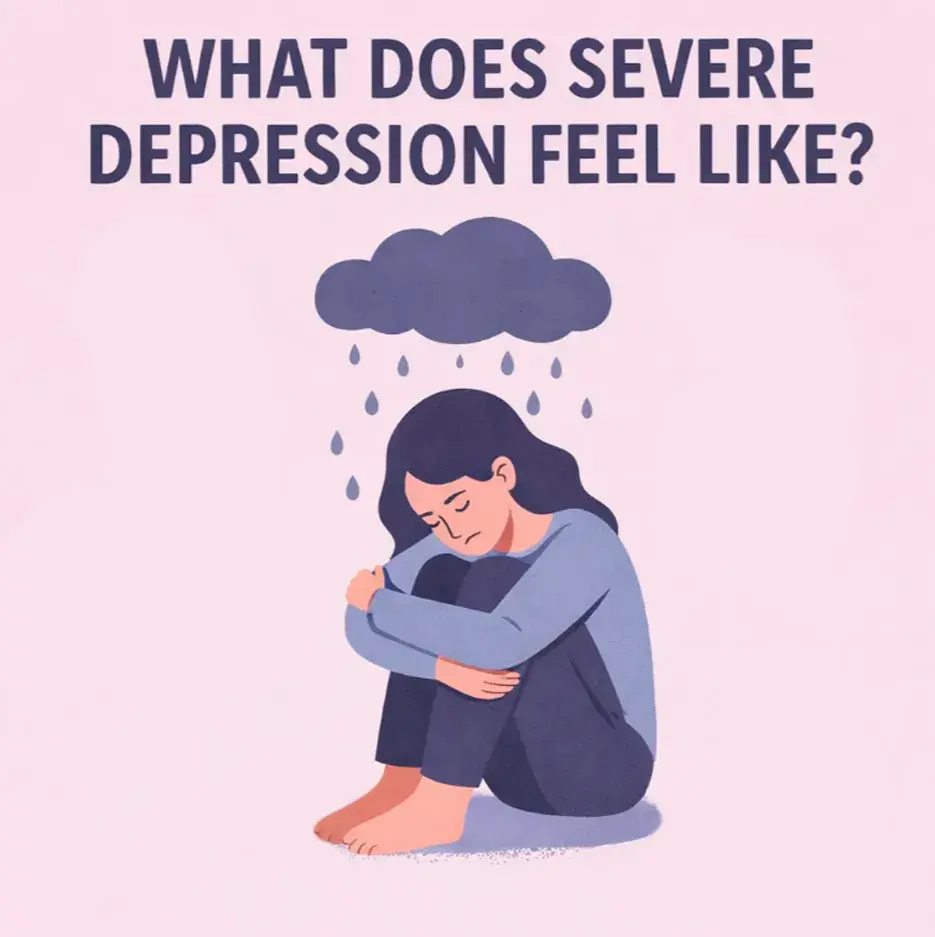
Severe depression can feel like emotional numbness, crushing exhaustion, and hopelessness - and it can look like withdrawal, flat affect, and a person slowly losing the ability to function the way they used to.

For many people, the hardest part is the confusion. You may still show up, reply to messages, or get through the day on autopilot, while inside everything feels heavy, empty, or unreal. Others might only notice that you seem “off,” quieter, more irritable, or less present - even if you’re trying your best to hide it. In this article, we’ll break down what severe depression feels like and look like - including the emotional and physical feelings it creates and what evidence-based treatment options can actually help.

What is Severe Depression

Severe depression, clinically known as major depressive disorder (MDD), is a serious medical and emotional condition that goes far beyond feeling sad or having a bad day. It changes how a person thinks, feels, and functions in everyday life - often affecting sleep, appetite, energy, motivation, and relationships.

According to the National Institute of Mental Health, major depressive disorder is defined by a persistently depressed mood or loss of interest, combined with other symptoms that last most of the day, nearly every day, for at least two weeks and cause significant impairment in daily functioning.

What Does Severe Depression Look Like

Changes in Behavior

People with severe depression often start pulling away from normal life. Activities that once felt simple, like texting a friend, showering, and leaving the house, can begin to feel exhausting or pointless. This is not avoidance; it is the nervous system under strain.

What people notice How it often shows up
Social withdrawal Cancelling plans, ignoring messages, avoiding people
Flat or distant affect Less facial expression, monotone voice, low emotional response
Reduced engagement Not participating in conversations or activities
Irritability Snapping at others, frustration over small things
Disappearance from routines Not showing up to events, work, or social plans

Social withdrawal can deepen depression, which is why understanding the negative effects of social isolation matters.

Changes in Mood and Personality

Depression does not only affect how someone feels - it changes how they relate to themselves and others. Loved ones often say the person feels emotionally distant, flat, or “not like themselves anymore.”

Common emotional changes include:

  • Persistent hopelessness or pessimism
  • Emotional numbness or emptiness
  • Increased irritability or anger
  • Loss of emotional warmth or connection

Someone with severe depression may still laugh or smile occasionally, but underneath, their emotional world feels muted, heavy, or hollow. 

Changes in Daily Functioning

Severe depression doesn’t just affect mood - it begins to interfere with basic daily tasks and responsibilities. Even when someone wants to function normally, severe depression can disrupt the brain systems responsible for motivation, focus, and decision-making. As a result, basic tasks stop feeling automatic and begin to require intense mental and physical effort.

Common changes include:

  • Inability to initiate tasks, even when they matter
  • Extreme mental effort to complete simple actions
  • Difficulty concentrating or making decisions
  • Feeling “frozen” when trying to start or finish something

What Does Severe Depression Feel Like Physically

Fatigue and Low Energy

Individuals with severe depression often feel exhausted even after sleeping for many hours. The body feels heavy, slow, and drained, as if it is running on empty. Simple actions like standing up, showering, or walking outside can feel physically demanding.

This happens because depression disrupts the brain systems that regulate energy, motivation, and stress. As a result, the nervous system stays in a depleted state, making rest feel unrefreshing and movement feel difficult.

Sleep and Appetite Changes

Severe depression often throws off the body’s natural rhythms. Some people struggle with insomnia and lie awake feeling restless or wired, while others sleep excessively but still wake up exhausted. Appetite may also change - food can lose its appeal, or eating may become a way to cope with emotional emptiness.

These shifts create a cycle:

  • Poor sleep increases fatigue
  • Fatigue reduces motivation
  • Low motivation worsens mood
  • Worsening mood further disrupts sleep and eating

Pain, Aches, and Brain Fog

Many people with severe depression experience real physical discomfort. Headaches, muscle tension, back pain, and unexplained aches are common. At the same time, thinking can feel slow and foggy - like trying to focus through a thick mental haze.

This happens because depression affects how the brain processes pain, attention, and memory. The result is not just emotional suffering, but a full-body experience that makes even thinking clearly feel difficult.

When Severe Depression Becomes a Clinical Condition

Severe depression becomes a clinical condition when it is persistent, intense, and begins to interfere with daily life. Instead of coming and going with circumstances, the low mood, numbness, or hopelessness stay present for weeks or months. People may find it hard to work, connect with others, or take care of themselves, even when they want to.

At this point, depression is no longer just a reaction to stress or loss - it is a disorder of the brain and nervous system. That is what clinicians call major depressive disorder, and it requires professional treatment, not willpower.

Treatment Options for Severe Depression

Therapy and Psychological Support

Therapy helps people with severe depression understand what is happening in their mind and learn how to change the patterns that keep them stuck. Evidence-based approaches like cognitive behavioral therapy (CBT) and trauma-informed therapy focus on how thoughts, emotions, and behaviors interact.

In therapy, people learn how to:

  • Recognize distorted or self-critical thinking
  • Regulate overwhelming emotions
  • Rebuild motivation and connection
  • Develop healthier coping strategies

Medication for Severe Depression

When depression is severe, medication can play a critical role in stabilizing mood and restoring basic functioning. Antidepressants work by helping balance the brain chemicals involved in mood, sleep, and energy. When those systems are disrupted, people may feel constantly drained, emotionally numb, or overwhelmed.

Medication does not change who someone is - it helps reduce the intensity of symptoms so the person can think more clearly, engage in therapy, and begin rebuilding daily life. For many people with severe depression, medication creates the foundation that makes other forms of treatment possible. If you want a clearer explanation of how these meds work in the brain, see our article: How do mood stabilizers work?

Structured and Intensive Care

Some people need more support than weekly therapy can provide. Structured care offers a higher level of monitoring, treatment, and stability.

Level of care What it provides Best for
Outpatient Weekly therapy and medication management Mild to moderate symptoms
IOP (Intensive Outpatient Program) Several therapy sessions per week while living at home Moderate to severe depression
Inpatient 24/7 medical and psychiatric care Severe symptoms or safety concerns

This stepped approach allows treatment to match the intensity of the illness.

How Amae Health Helps People With Severe Depression

Amae Health is a specialized mental health clinic designed for people struggling with serious and persistent mental health conditions, including severe depression. Our treatment offerings go beyond surface-level symptom management - we focus on understanding the whole person and building a treatment plan that fits their unique needs.

We provide psychiatric evaluation, therapy, medication management, and structured services for people who need more than occasional support. Whether someone is newly experiencing severe symptoms or has been struggling for a long time, our team works to create stability, safety, and a path forward.

You can reach Amae Health directly or refer a loved one by contacting our clinic to begin a confidential assessment and explore the right level of care.

Reccomended for you

# min read

Why Do I Hate Myself? Understanding Self-Hate and How to Overcome It

By

Sonia Garcia

|

February 27, 2025

Have you ever caught yourself looking in the mirror and feeling a wave of self-loathing? The haunting question in your head is, "Why do I hate myself?" Does it sound sad? Unpleasant? Yes, but unfortunately, despite the rapid improvement in everyone's lives, more and more people are facing problems within themselves. According to statistics from the National Institute of Mental Health (NIMH), approximately 1 in 5 adults in the United States experiences mental illness in a given year, with many reporting feelings of self-doubt and self-hatred.

But what if we told you that this self-hatred isn't your true voice? It's a distorted lens, warping your self-perception and holding you back from living your best life. In this eye-opening exploration, we'll dive deep into the roots of self-hate, unravel its complex web, and equip you with powerful tools to break free. Whether you're occasionally plagued by self-doubt or constantly battling the thought, "Why do I hate myself?" This article is your first step towards self-compassion and healing. Buckle up for a transformative journey – it's time to silence your inner critic and embrace your true worth.

What Causes Self-Hate?

Self-hatred doesn't appear out of nowhere. It's often the result of various experiences and factors that shape our self-perception. Let's explore common causes that might lead you to ask, "Why do I hate myself?":

  • Childhood experiences: How we were treated as children can have a lasting impact on our self-image. Harsh criticism, neglect, or abuse can plant self-hate seeds early on.
  • Societal pressures: We live in a world that often sets unrealistic standards for success, beauty, and worth. Failing to meet these standards can lead to feelings of inadequacy and self-loathing.
  • Trauma: Experiencing traumatic events can shatter our sense of self and leave us feeling broken or unworthy.
  • Perfectionism: Setting impossibly high standards for ourselves can lead to constant disappointment and self-criticism.
  • Comparison: Constantly measuring ourselves against others, especially in the age of social media, can fuel feelings of inadequacy.
  • Negative self-talk: How we speak to ourselves internally can reinforce and deepen self-hate.

Consider Elizabeth, a 32-year-old graphic designer. Growing up, her parents constantly criticized her artwork, telling her she'd never make it as an artist. These experiences made Sarah doubt her talents and hate herself, even as an adult. She often thought, "I don't like myself because I'm not good enough."

The Role of Mental Health in Self-Hate

Self-hatred often goes hand in hand with various mental health conditions. Understanding this connection is crucial for addressing the root causes of self-loathing. Some common mental health issues linked to hating yourself include:

  • Depression: Persistent feelings of sadness and worthlessness can fuel self-hate and vice versa.
  • Anxiety: Constant worry and fear can lead to self-doubt and negative self-perception.
  • Eating disorders: These often involve intense self-criticism and body hatred.
  • Obsessive-Compulsive Disorder (OCD): Intrusive thoughts and compulsions can reinforce feelings of self-loathing.
  • Borderline Personality Disorder (BPD): This condition often involves an unstable self-image and intense self-hatred.

It's important to note that mental health conditions and self-hate can create a vicious cycle. Self-hatred can worsen mental health symptoms, which in turn intensify self-loathing feelings.

This interconnection between mental health and self-perception is complex and multifaceted. For instance, someone struggling with depression might interpret neutral events negatively, reinforcing their belief that they're worthless. This belief then deepens their depression, creating a downward spiral. Similarly, anxiety can lead to excessive self-criticism, which in turn increases anxiety about one's performance or worth, perpetuating the cycle of self-hate.

Moreover, trauma and adverse childhood experiences can significantly impact both mental health and self-perception. These experiences can shape core beliefs about oneself, leading to persistent patterns of self-hatred that become deeply ingrained over time. Breaking these patterns often requires addressing both the underlying mental health issues and the negative self-perceptions simultaneously.

Amae Health, a leading provider of integrated care for severe mental illness, recognizes the complex relationship between mental health and self-perception. Our approach addresses both the psychological and physiological aspects of mental health, helping patients break free from the cycle of self-hatred.

How Self-Hate Affects Your Life

Self-hatred is not just an internal struggle; it can have far-reaching consequences in various aspects of your life:

  • Relationships: Self-hate can make it difficult to form and maintain healthy relationships. You might push people away or accept mistreatment because you feel unworthy of love. It can lead to isolation or a pattern of toxic relationships, further reinforcing negative self-perceptions. The inability to accept genuine affection or compliments can strain even the most supportive relationships.
  • Career: Constant self-doubt can keep you from pursuing opportunities or advocating for yourself at work. You might hesitate to apply for promotions, speak up in meetings, or take on challenging projects, believing you're not capable or deserving. It can result in career stagnation and unfulfilled potential, feeding into the cycle of self-hate.
  • Physical health: Self-loathing can lead to neglecting your physical well-being or engaging in self-destructive behaviors. It might manifest as poor eating habits, lack of exercise, or even substance abuse. Chronic stress from self-hate can also contribute to physical health problems like high blood pressure, weakened immune systems, and sleep disorders.
  • Mental health: As mentioned earlier, self-hate can exacerbate existing mental health issues or contribute to their development. It can deepen depression, increase anxiety, and even lead to the onset of more severe mental health conditions. The constant internal criticism can create a state of chronic stress, impacting overall mental well-being.
  • Decision-making: When you don't like yourself, making decisions becomes incredibly challenging. Self-doubt can paralyze you, making even simple choices feel overwhelming. Fearing your judgment, you might second-guess every decision or defer to others' opinions. This indecisiveness can impact everything from daily tasks to major life choices.
  • Creativity and self-expression: Self-hate can stifle your creative voice and prevent you from expressing your true self. Fear of judgment or failure might keep you from pursuing artistic endeavors or sharing ideas. This suppression of self-expression can lead to unfulfillment and disconnection from your authentic self.
  • Overall happiness: Constantly battling negative thoughts about yourself can rob you of joy and contentment in life. Self-hate acts as a filter, negatively coloring your perceptions of experiences and achievements. Even positive events might be dismissed or downplayed, making it difficult to fully enjoy life's pleasures or feel accomplished.

Take John, a talented musician who struggles with self-hate. Despite his skills, he rarely performs in public and turns down opportunities to collaborate with other artists. His self-loathing has kept him from pursuing his passion and sharing his gift with the world. John often thinks, "Why do I hate myself so much that I can't even enjoy my music?"

Signs You May Be Struggling with Self-Hate

Recognizing self-hate is the first step towards overcoming it. Here are some signs that you might be grappling with self-loathing:

  • Negative self-talk: You constantly criticize yourself, even for small mistakes.
  • Difficulty accepting compliments: You dismiss or downplay positive feedback from others.
  • Self-sabotage: You unconsciously undermine your success or happiness.
  • Perfectionism: You set impossibly high standards for yourself and feel devastated when you fall short.
  • Comparison: You constantly measure yourself against others and always feel inferior.
  • Physical neglect: You struggle to care for your basic needs or engage in self-destructive behaviors.
  • Isolation: You withdraw from social interactions because you feel unworthy of connection.
  • Difficulty decision-making: You second-guess every choice, fearing you'll make the wrong one.
  • Apologizing excessively: You apologize for things that aren't your fault or for simply existing.
  • Feeling like a burden: You believe your presence inconveniences or bothers others.

If you recognize these signs in yourself and often think, "I hate myself," know that you're not alone. Many people struggle with self-hate, but there are ways to break free from this painful cycle.

Breaking the Cycle: How to Stop Hating Yourself

Overcoming self-hate is a journey, not a destination. It requires patience, practice, and self-compassion. The path to self-acceptance can be challenging, but it's one of the most rewarding journeys you'll ever undertake. Remember, you didn't develop these feelings of self-hatred overnight, so expecting them to disappear instantly is unrealistic.

As you embark on this journey, it's crucial to approach it with kindness towards yourself. You may experience setbacks or moments of doubt, but these are normal parts of the healing process. Each step forward, no matter how small, is a victory worth celebrating.

The strategies we'll explore will help you gradually shift your perspective, challenge negative thought patterns, and cultivate a more compassionate relationship with yourself. They range from simple daily practices to more in-depth exercises that can help rewire your thinking over time.

Here are some powerful strategies to help you break free from self-hatred. Remember that different techniques work for different people as you read through them. Feel free to try various approaches and stick with what resonates most with you. The key is consistency and patience.

BREATHE: Using Breathing Exercises to Calm Negative Thoughts

When self-hate overwhelms you, and you find yourself thinking, "Why do I hate myself?" Your breath can be a powerful tool for regaining control. Try this simple breathing exercise:

  • Find a comfortable position and close your eyes.
  • Inhale slowly through your nose for a count of four.
  • Hold your breath for a count of four.
  • Exhale slowly through your mouth for a count of four.
  • Repeat this cycle for 5-10 minutes.

Box breathing can help calm your nervous system and create space between you and your negative thoughts. Practice it regularly, especially when you feel self-hate creeping in.

GROUND YOURSELF: Staying Connected to the Present Moment

Self-hatred often pulls us into spirals of past regrets or future worries. Grounding techniques can help anchor you in the present moment. Try this simple exercise:

  • Look around and name five things you can see.
  • Identify four things you can touch.
  • Notice three things you can hear.
  • Recognize two things you can smell.
  • Acknowledge one thing you can taste.

This 5-4-3-2-1 technique engages your senses and brings you back to the here and now, interrupting negative thought patterns that make you hate yourself.

REACH OUT FOR HELP: Finding Support from Others

Breaking free from self-hatred doesn't have to be a solitary journey. Reaching out to others can provide invaluable support and perspective. Consider:

  • Talking to a trusted friend or family member: Share your struggles with someone who cares about you.
  • Joining a support group: Connect with others who understand what you're going through.
  • Seeking professional help: A therapist can provide tools and strategies tailored to your needs.

Remember, asking for help is a sign of strength, not weakness. Amae Health offers comprehensive support for those struggling with self-hate and related mental health issues. Our team of experts can guide you toward self-compassion and healing, helping you understand why you might hate yourself and how to change those feelings.

IF YOU DON'T HAVE ANYONE TO HELP YOU: Finding Solace in Solitude

If you find yourself without a support system, don't despair. There are ways to cultivate self-compassion on your own:

  • Journaling: Write down your thoughts and feelings to gain clarity and perspective.
  • Self-help books: Explore literature on self-compassion and personal growth.
  • Online resources: Utilize reputable websites and forums for information and virtual support.
  • Nature: Spend time outdoors to reconnect with yourself and find peace.
  • Creative expression: Use art, music, or writing to express emotions.

Remember, being alone doesn't mean you have to be lonely. Use this time to build a loving relationship with yourself and challenge the belief that you don't like yourself.

IF YOU DON'T LIKE ASKING FOR HELP: Embracing Self-Sufficiency

For those who struggle with asking for help, there are ways to work on self-hatred independently:

  • Self-guided CBT: Learn and practice Cognitive Behavioral Therapy techniques on your own.
  • Mindfulness apps: Use meditation apps to develop self-awareness and compassion.
  • Personal development courses: Enroll in online courses focused on self-esteem and personal growth.
  • Physical exercise: Engage in regular physical activity to boost mood and self-image.
  • Volunteering: Help others to gain perspective and boost your sense of self-worth.

While self-sufficiency can be empowering, remember that seeking help when needed is a valuable skill. Amae Health offers discreet, personalized support for those who prefer a more independent approach to healing from self-hatred.

DO SOMETHING KIND FOR YOURSELF: Small Acts of Self-Care

When you're constantly thinking, "I hate myself," it often leads to neglecting your own needs. Counteract this by practicing regular self-care:

  • Take a relaxing bath: Pamper yourself with a soothing soak.
  • Prepare a nutritious meal: Nourish your body with healthy, delicious food.
  • Engage in a hobby: Spend time doing something you genuinely enjoy.
  • Get enough sleep: Prioritize rest and establish a healthy sleep routine.
  • Practice positive affirmations: Speak kindly to yourself daily.
  • Buy yourself flowers: Treat yourself to something beautiful.
  • Take a mental health day: Give yourself permission to rest and recharge.

Remember, self-care isn't selfish. It's necessary for your well-being and can help shift your perspective from hating yourself towards self-love.

FORGIVE YOURSELF FOR STRUGGLING: The Power of Self-Forgiveness

Self-hatred often involves holding onto past mistakes or perceived flaws. Learning to forgive yourself is crucial for healing:

  • Acknowledge your humanity: Recognize that everyone makes mistakes and has flaws.
  • Practice self-compassion: Treat yourself with the kindness you'd offer a friend.
  • Learn from experiences: View past struggles as opportunities for growth.
  • Let go of perfectionism: Embrace "good enough" instead of striving for the impossible.
  • Write a forgiveness letter: Pen a letter to yourself, offering understanding and forgiveness.

Self-forgiveness is a skill that takes practice. Be patient with yourself as you learn to let go of self-judgment and the feeling that you hate yourself.

Seeking Help: When to Consider Professional Support

While self-help strategies can be powerful, sometimes professional support is necessary. Consider seeking help if:

  • Your self-hate is severely impacting your daily life.
  • You're having thoughts of self-harm or suicide.
  • You're struggling with co-occurring mental health issues.
  • Self-help strategies aren't providing relief.
  • You feel stuck and unable to make progress on your own.

Remember, seeking help is a sign of strength, not weakness. Amae Health specializes in providing comprehensive care for those dealing with severe mental health issues, including deep-seated self-hate. Their team of experts can offer the support and guidance you need to heal and stop hating yourself.

Conclusion: You Are Not Alone

Self-hatred can feel like a lonely battle, but it's important to remember that you're not alone. Many people struggle with these feelings and ask themselves, "Why do I hate myself?" There is hope for healing and growth.

Breaking free from self-hate is a journey that requires patience, persistence, and self-compassion. It's okay to take small steps and celebrate every bit of progress. Remember, you are worthy of love and kindness, especially from yourself. As you move forward, consider the strategies we've discussed:

  • Practice breathing exercises and grounding techniques.
  • Reach out for support when you need it.
  • Engage in regular self-care and acts of kindness towards yourself.
  • Work on forgiving yourself for past mistakes and perceived flaws.
  • Seek professional help if you're struggling to cope on your own.

Amae Health stands ready to support your journey towards self-acceptance and mental well-being. Their integrated approach to care can provide the tools and support you need to overcome self-hatred and build a more compassionate relationship with yourself.

Remember, the voice that tells you to hate yourself is not the truth about who you are. You are deserving of love, respect, and happiness. With time, effort, and support, you can learn to silence that critical voice and embrace your inherent worth.

Your journey to self-love starts now. Take that first step, however small it may be. You've got this. And remember, if you ever think, "I don't like myself," pause and recall the strategies and insights from this article. You can change your relationship with yourself one step at a time.

# min read

7 Key Benefits of Mental Health Counseling

By

Sonia Garcia

|

May 8, 2025

Mental health counseling is a professional form of support. It aims to help people overcome emotional and psychological problems. It is a therapeutic relationship between professional and client, designed to promote positive change and personal growth. Counseling is based on confidentiality, empathy, and non-judgmental acceptance.

The goal of health counseling is to provide a safe space. It is a place where people can explore their thoughts, feelings, and behavioral patterns. And they can also develop effective coping strategies. In today's world full of stress, information overload, and social expectations, maintaining mental health has become desirable and essential for a fulfilling life.

Mental health treatment plays a crucial role in overall well-being by directly affecting:

  • Physical health
  • Quality of relationships
  • Employability
  • The ability to find joy in everyday life

Psychological problems can exacerbate physical illnesses and vice versa, confirming the importance of a holistic approach to health. Regular individual therapy sessions can significantly improve quality of life. It helps to develop psychological flexibility and resilience to stress.

What are the Benefits of Mental Health Counseling?

  1. Improved Communication and Interpersonal Skills
  2. Enhanced Self-Acceptance and Self-Esteem
  3. Development of Coping Strategies
  4. Relief from Mental Health Conditions
  5. Improved Problem-Solving and Conflict Resolution
  6. Greater Sense of Purpose and Fulfillment
  7. Better Emotional Regulation and Stress Management

1. Improved Communication and Interpersonal Skills

Mental health counseling helps to improve the way we communicate and interact. Clients learn to effectively express their thoughts and needs - the foundation of healthy relationships.

Counselors help clients to develop active listening skills and set healthy boundaries. Individual therapy teaches how to identify and assert personal boundaries while respecting the boundaries of others. This fosters the formation of deeper relationships.

2. Enhanced Self-Acceptance and Self-Esteem

Many people seek mental health treatment because of a negative self-image. Therapy helps to reframe self-critical beliefs that undermine self-esteem.

In the safe environment of health counseling, clients explore the sources of low self-esteem and develop a more positive perception of themselves. Counselors help recognize the client's strengths and intrinsic value.

3. Development of Coping Strategies

Mental health counseling teaches clients effective coping strategies. Counselors help develop adaptive coping mechanisms applicable to a variety of stressful situations. These skills are especially valuable during life transitions, crises, or unexpected changes, when habitual ways of responding may not be sufficient.

In individual therapy, clients practice anxiety management techniques:

  • Breathing exercises
  • Progressive muscle relaxation
  • Cognitive restructuring
  • Mindfulness practices

These tools help to cope with emotional problems in everyday life. This further prevents the accumulation of stress and the development of chronic psychological conditions. Importantly, these techniques can be practiced independently. This promotes the development of self-sufficiency and confidence.

Health counseling also helps identify and replace ineffective strategies (such as avoiding difficult situations, suppressing emotions, self-medicating with alcohol or other substances) with healthier alternatives. Counselors work with clients to develop a personalized "toolkit" for stress management, taking into account individual differences and life circumstances.

4. Relief from Mental Health Conditions

Mental health treatment plays a key role in the treatment of clinical mental health conditions. Professional counselors use evidence-based techniques to alleviate symptoms and improve functioning.

Cognitive behavioral therapy is one of the most researched forms of individual therapy. It helps identify and change maladaptive thoughts. Other approaches include dialectical behavioral therapy and mindfulness-based therapy.

For many, health counseling becomes an essential component of the treatment plan, sometimes in combination with drug therapy.

5. Improved Problem-Solving and Conflict Resolution

Mental health counseling develops problem-solving and critical thinking skills. Clients learn to analyze problems objectively and develop constructive solutions.

Individual therapy provides an environment for practicing conflict resolution skills. Clients learn how to communicate effectively in tense situations and find compromises.

These improved skills lead to more harmonious relationships and reduced stress.

6. Greater Sense of Purpose and Fulfillment

Many people seek health counseling when they feel a sense of emptiness. Therapy helps to explore values and dreams, creating a clearer vision of life's path.

In mental health counseling, clients learn to set meaningful goals that align with their values. Counselors help develop concrete steps to achieve these goals.

Finding deeper meaning is associated with improved psychological well-being. Individual therapy helps clients live more authentic lives.

7. Better Emotional Regulation and Stress Management

A key benefit of mental health treatment is the development of emotional regulation skills: the ability to recognize and manage one's emotions.

In the process of health counseling, clients learn to identify emotional triggers. They develop strategies for managing emotional states. This includes mindfulness techniques to help them stay in the present moment.

Effective stress management is another crucial benefit of individual therapy. Clients learn relaxation and self-care techniques that help reduce the manifestations of stress.

Why Consider Mental Health Counseling?

Despite the growing recognition of the importance of mental health treatment, there are many myths surrounding the therapy. One is that seeking help is a sign of weakness. It demonstrates strength and self-awareness.

Another misconception is that health counseling is only for people with serious disorders. In reality, counseling can be helpful for just about anyone.

Many people believe that therapy should be long-term. However, even short-term individual therapy can lead to significant positive changes.

Certain signs indicate the need for mental health counseling:

  • Persistent feelings of sadness, anxiety, or helplessness
  • Difficulty performing daily tasks
  • Problems in relationships
  • Alcohol or other substance abuse
  • Intrusive or disturbing thoughts
  • Significant changes in sleep, appetite, or energy
  • Thoughts of self-harm

How to Get Started with Mental Health Counseling

Finding the right professional for mental health treatment is an important first step. Research qualified professionals through online directories, referrals, or integrated mental health counseling platforms such as Amae Health, which make the process much easier by bringing together trusted professionals from various backgrounds.

When choosing a counselor, pay attention to their specialization and experience with problems similar to yours. Many specialists and modern clinics, including the Amae Health team, offer a free initial consultation. This allows you to assess compatibility and comfort with the interaction.

Consider practical considerations: location, cost, insurance coverage, and availability of online counseling. The advantage of comprehensive psychological support centers is the ability to flex the therapy format to fit your lifestyle. Trust in the therapeutic relationship is a key factor in the success of individual therapy.

The first step toward mental health treatment

Deciding to seek mental health treatment is a powerful and transformative step toward a better quality of life. Counseling provides a safe space to explore your thoughts, emotions, and behavioral patterns and professional support as you make changes. It is important to remember that the journey to psychological well-being is a marathon, not a sprint, requiring patience and consistency.

Caring for mental health is now recognized as important as caring for physical well-being. They are inextricably linked, shaping the overall picture of a person's well-being. Health counseling represents a meaningful investment in yourself that can benefit all aspects of your life, from improving your well-being and vitality to developing deeper and more satisfying relationships.

Regardless of the challenges you face - whether it's overcoming traumatic experiences, managing chronic stress, improving relationships, or finding greater meaningfulness - individual therapy can provide the tools and support to overcome them effectively. Remember, seeking professional help is not a sign of weakness but of strength and determination to make a difference. Everyone deserves the opportunity to live a full, harmonious life, and professional counseling is one of the most effective ways to achieve this goal.

# min read

Psych Ward vs. Mental Hospital

By

Sonia Garcia

|

March 6, 2025

Introduction to Mental Health Treatment Facilities

Making informed decisions about mental health treatment facilities can significantly impact recovery outcomes. Understanding the distinctions between a psych ward and a mental hospital helps individuals make better choices about their care. Modern mental healthcare offers various treatment settings designed to address different levels of patient needs. Organizations like Amae Health demonstrate how integrated care approaches can effectively support people with severe mental illness.

What is a Psych Ward?

A psychiatric ward is a specialized unit within a general hospital setting. These units serve as frontline responders for acute mental health emergencies. Unlike standalone facilities, they integrate with other hospital departments to provide comprehensive emergency care. Medical teams can quickly address mental and physical health concerns in this setting.

The mental ward maintains strict security protocols to create a safe environment for patients and staff. Security features include: 

  • Controlled access points
  • 24-hour surveillance
  • Specially trained personnel

Patients typically stay for short periods, from a few days to several weeks. During this time, they receive intensive care focused on crisis stabilization. Treatment teams quickly assess, stabilize, and develop ongoing care plans.

Types of Treatment in a Psych Ward

The psych unit hospital delivers several key treatment approaches:

  • Crisis Intervention Services

These services form the cornerstone of psychiatric emergency care. Staff members provide immediate psychiatric evaluation and risk assessment. They implement specialized de-escalation techniques during mental health emergencies. Treatment teams develop personalized safety plans for each patient.

  • Medication Management

Professional staff oversee all aspects of psychiatric medication treatment. They carefully monitor patient responses to medications and adjust dosages as needed. Nurses provide medication education to help patients understand their treatment. Side effect management remains a top priority throughout the stay.

  • Individual Therapy

Patients receive one-on-one sessions with mental health professionals daily. Therapists use evidence-based approaches like Cognitive Behavioral Therapy. They help patients develop coping strategies for managing their symptoms. Treatment focuses on immediate crisis resolution and stability.

  • Group Therapy Programs

Daily group sessions help patients learn from shared experiences. Topics include stress management, coping skills, and emotional regulation. Patients practice social skills in a supportive environment. Professional facilitators ensure productive and safe group interactions.

Who Needs a Psych Ward?

The psychiatric ward primarily serves individuals experiencing severe mental health emergencies. Common admission scenarios include acute suicidal thoughts, severe depression episodes, and psychotic breaks. These units also help patients experiencing severe anxiety attacks or dangerous manic episodes. Healthcare professionals carefully evaluate each case to determine appropriate admission criteria.

What is a Mental Hospital?

A mental hospital provides comprehensive, long-term care for individuals with complex mental health conditions. These specialized facilities focus exclusively on psychiatric treatment and rehabilitation. Unlike emergency units, they create structured environments where patients can work through their challenges at an appropriate pace. The emphasis lies on thorough treatment rather than rapid stabilization.

The psych unit hospital environment distinguishes itself by offering multiple levels of care under one roof. Patients can transition between different treatment intensities as their needs change. These facilities maintain specialized units, from high-security areas to semi-independent living spaces. This flexibility allows personalized treatment approaches that adapt to each patient's progress.

Modern mental hospitals typically feature more home-like settings than traditional acute care units. The design emphasizes comfort and normalcy to support long-term stays. Common areas include therapeutic gardens, activity rooms, and communal dining spaces. This environment helps patients maintain dignity while developing essential life skills. Treatment programs often extend beyond medical care, including social activities and practical life management training.

Types of Treatment in a Mental Hospital

The mental hospital provides several essential treatment services:

  • Individual Therapy

Licensed therapists conduct regular one-on-one sessions with each patient. These sessions focus on personal challenges and recovery goals. Treatment approaches include cognitive behavioral therapy and dialectical behavior therapy. Therapists help patients develop personalized coping strategies and life skills.

  • Group Therapy

Patients participate in structured group sessions addressing various therapeutic topics. Peer support helps individuals learn from shared experiences. Professional facilitators guide discussions and therapeutic activities. Groups focus on skill-building, emotional processing, and social interaction.

  • Medical Care

Board-certified psychiatrists oversee comprehensive medication management programs. Regular health monitoring ensures both physical and mental well-being. Medical teams conduct ongoing assessments to adjust treatment plans. Staff provide education about medications and their effects.

Levels of Care The psychiatric ward offers three main treatment intensities:

  • Inpatient care provides 24-hour supervision and intensive treatment
  • Partial hospitalization allows daytime treatment with evenings at home
  • Outpatient programs offer flexible scheduling while maintaining therapeutic support

The psych unit hospital adjusts treatment intensity based on individual recovery progress. Each level maintains high-quality care standards while providing appropriate independence. This structured approach helps ensure successful transitions between different care levels.

Who Benefits from a Mental Hospital?

The mental hospital serves individuals requiring extended psychiatric care. Patients with severe conditions like schizophrenia often benefit from longer stays. Those with persistent suicidal thoughts need comprehensive treatment approaches. Amae Health's integrated care model exemplifies modern treatment standards for severe mental illness.

Key Differences Between Psych Wards and Mental Hospitals

Length of stay in a psychiatric ward typically ranges from days to weeks, focusing on immediate crisis resolution. In contrast, a mental hospital provides extended care, often lasting months, to ensure comprehensive recovery. This fundamental difference shapes all aspects of treatment delivery.

The level of care varies significantly between facilities. The mental ward maintains intensive 24-hour supervision with strict security protocols. Mental hospitals offer more flexible environments, adjusting supervision levels as patients progress. The psych unit hospital system allows patients to move between different security levels based on stability.

Facility design reflects each institution's purpose. Psychiatric wards feature controlled clinical settings prioritizing safety and monitoring. Mental hospitals create more home-like environments with comfortable living spaces and therapeutic areas.

Psych Ward vs. Mental Hospital: Comparing Treatment Approaches

Treatment goals differ substantially between settings. The psychiatric ward focuses on rapid crisis stabilization and immediate safety concerns. Mental hospitals emphasize long-term recovery and comprehensive healing through ongoing treatment programs.

Therapeutic techniques vary accordingly. Crisis units provide intensive interventions for acute symptom management. Long-term facilities offer diverse therapy options, including individual counseling, group sessions, and skill-building activities. The psych unit hospital approach adapts based on each patient's stage of recovery.

Stigma Around Mental Health Treatment: Breaking the Myths

Common misconceptions about the psychiatric ward often stem from outdated media portrayals and historical stereotypes. Many people wrongly believe these facilities still use cruel treatment methods or physical restraints routinely. The reality of modern mental ward care focuses on dignity, respect, and evidence-based treatment.

Another persistent myth suggests that entering a mental hospital means giving up all personal freedom and control. Today's mental health facilities encourage patient autonomy and active participation in treatment decisions. The psych unit hospital environment promotes recovery while respecting individual rights and preferences.

Several harmful stereotypes persist:

  • Mental health facilities are like prisons
  • Patients never recover or return to normal life
  • Only "dangerous" people need psychiatric care
  • Treatment involves harsh or punitive measures
  • Staff members are uncaring or abusive

The truth is that modern psychiatric wards provide needed, professional care. Facilities like Amae Health demonstrate how contemporary mental health treatment emphasizes personalized care and positive outcomes. Success stories from recovered patients help challenge these outdated beliefs and encourage others to seek help.

Reducing the Fear of Seeking Help

Seeking mental health treatment represents a crucial first step toward recovery and well-being. Many individuals hesitate to enter a psychiatric ward or mental hospital due to anxiety and misconceptions. Modern mental health facilities, like Amae Health, work diligently to create welcoming, supportive environments.

Essential Steps to Overcome Treatment Fears:

  • Learn about modern mental ward practices and patient rights
  • Connect with family members or trusted friends for support
  • Visit facilities or meet staff when possible
  • Join support groups to hear others' experiences
  • Start with outpatient care if appropriate
  • Remember that the psych unit hospital experience focuses on recovery

Understanding these positive aspects of contemporary mental health care helps reduce anxiety about seeking needed treatment.

Conclusion

Understanding differences between mental health facilities helps inform treatment decisions. Both psych wards and mental hospitals serve essential roles in mental healthcare. Modern facilities continue improving treatment approaches and patient experiences. Seeking appropriate mental health care represents a positive step toward recovery.