## min read

Crippling Anxiety: What It Is, Why It Happens & What Can Help

|

February 19, 2026

Summarize with AI

Crippling Anxiety: What It Is, Why It Happens & What Can Help

You wake up and your heart is already racing. Before you even open your eyes, your chest feels tight. The simple thought of checking your email triggers a wave of panic, leaving you trapped in a loop of worst-case scenarios you cannot shut off. It feels as though your body is constantly braced for a disaster that never arrives.

This is crippling anxiety.

Far beyond feeling stressed or nervous, crippling anxiety creates a state so severe that it paralyzes your routine and makes everyday tasks feel like insurmountable mountains. When you live with this, tension becomes a permanent resident in your body. Physical symptoms like a racing heart, nausea, or dizziness arrive without warning, and no matter how hard you try, you cannot simply turn off the fear.

If this sounds familiar, you are not alone. Understanding what is crippling anxiety, why it happens, and which treatments actually provide relief is the first step toward reclaiming your life. Recognizing the difference between daily stress and a paralyzing condition is where healing begins.

What Is Crippling Anxiety?

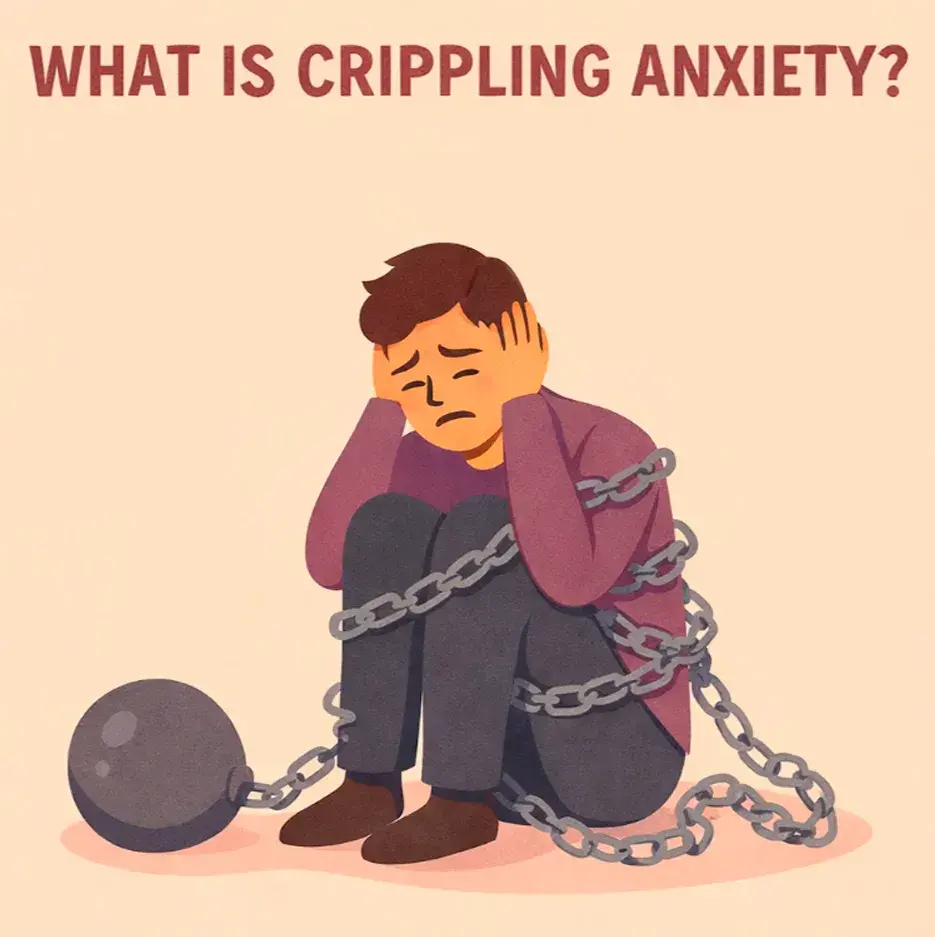
Crippling anxiety isn't an official diagnosis you'll find in the DSM-5. Instead, it's a term people use to describe anxiety that's so severe it interferes with their ability to function. It goes beyond occasional worry or nervousness - it's persistent, overwhelming, and disruptive.

Here's how it shows up in everyday life:

  • You avoid situations that trigger panic, even when they're necessary - like work meetings, social gatherings, or medical appointments.
  • Your body reacts intensely to small stressors, making it hard to distinguish real threats from imagined ones.
  • Daily tasks feel overwhelming, from answering phone calls to grocery shopping.
  • You can't focus or complete responsibilities because anxiety hijacks your attention and energy.

When people ask what is crippling anxiety, they're often describing anxiety that doesn't just make life uncomfortable - it makes life feel unmanageable.

How Crippling Anxiety Differs From Everyday Stress

Everyone experiences stress. But crippling anxiety operates on a completely different level. Here's how they compare:

Feature Everyday Stress Crippling Anxiety
Trigger Specific event (deadline, conflict) Often vague or absent
Duration Temporary, resolves after stressor passes Persistent, lingers without clear cause
Intensity Manageable discomfort Overwhelming, paralyzing fear
Physical symptoms Mild tension, occasional restlessness Severe: racing heart, shortness of breath, nausea, dizziness
Impact on function Might reduce productivity temporarily Prevents working, socializing, or handling daily tasks
Control Can redirect focus or take action Feels uncontrollable and intrusive

Everyday stress motivates you to solve problems. Crippling anxiety stops you in your tracks.

Signs of Crippling Anxiety

Crippling anxiety presents through a combination of emotional, cognitive, and physical symptoms. Here are the most common signs:

  • Persistent, intrusive thoughts that loop without resolution.
  • Racing heart or chest tightness, even when resting.
  • Shortness of breath or feeling like you can't get enough air.
  • Nausea, stomach pain, or digestive issues.
  • Dizziness, lightheadedness, or feeling disconnected from your body.
  • Muscle tension, especially in the shoulders, neck, and jaw.
  • Extreme fatigue despite doing very little.
  • Difficulty sleeping or waking up multiple times during the night.
  • Constant sense of dread or feeling like something bad is about to happen.
  • Irritability or emotional outbursts that feel out of character.
  • Avoidance behaviors - canceling plans, calling in sick, isolating yourself.
  • Difficulty concentrating or making decisions, even simple ones.

These symptoms don't just come and go - they build over time, creating a cycle where anxiety about your anxiety makes everything worse.

What Causes Crippling Anxiety?

There's no single cause of crippling anxiety. It typically develops from a combination of factors:

  • Genetics: Anxiety disorders often run in families, suggesting a biological predisposition.
  • Brain chemistry: Imbalances in neurotransmitters like serotonin, dopamine, and GABA affect mood regulation.
  • Chronic stress: Prolonged exposure to stressors keeps your nervous system in overdrive.
  • Trauma or adverse experiences: Past trauma, abuse, or significant losses can rewire your threat detection system.
  • Major life changes: Events like moving, job loss, relationship changes, or health diagnoses can trigger intense anxiety.

Understanding these contributors helps you recognize that crippling anxiety isn't a personal failure. It's a complex response involving biology, environment, and experience.

Anxiety Disorders Linked to Crippling Anxiety

Crippling anxiety often overlaps with specific anxiety disorders:

  • Generalized Anxiety Disorder (GAD): Excessive, uncontrollable worry about multiple areas of life that persists for months.
  • Panic Disorder: Recurrent, unexpected panic attacks with intense physical symptoms and fear of future attacks.
  • Social Anxiety Disorder: Intense fear of judgment or embarrassment in social situations that leads to avoidance.
  • Agoraphobia: Fear of places or situations where escape feels difficult, often resulting in severe avoidance.

These conditions share one thing: they significantly disrupt daily functioning, relationships, and quality of life.

How to Know If Your Anxiety Is Becoming Crippling

Not all anxiety crosses into "crippling" territory. Here's how to tell if yours has:

  • Duration and persistence: Your anxiety lasts most days for weeks or months, not just during stressful periods.
  • Loss of control: You can't calm yourself down using strategies that used to work.
  • Disproportionate reactions: Small triggers provoke intense fear or physical symptoms.
  • Avoidance interferes with life: You're skipping work, canceling plans, or avoiding necessary activities because of anxiety.

If several of these apply, your anxiety has likely moved beyond manageable stress into something that needs more structured support.

How to Manage Crippling Anxiety

The good news? Even severe anxiety responds to the right combination of strategies and support. Here's what actually helps.

Practice Grounding and Breathing Techniques

When crippling anxiety hijacks your nervous system, grounding techniques interrupt the panic cycle and bring you back to the present moment.

Try these:

  • 5-4-3-2-1 grounding: Name 5 things you see, 4 you touch, 3 you hear, 2 you smell, 1 you taste.
  • Belly breathing: Breathe in slowly for 4 counts, hold for 4, exhale for 6.
  • Cold water reset: Splash cold water on your face or hold ice cubes to activate your body's calming response.

These tools work by engaging your parasympathetic nervous system, which counteracts the fight-or-flight response driving your anxiety.

Reduce Anxiety-Fueling Triggers

Small changes in your daily habits can lower your baseline anxiety level:

  • Cut back on caffeine: It amplifies heart rate and nervousness, mimicking anxiety symptoms.
  • Limit social media and news consumption: Constant exposure to negativity keeps your nervous system activated.
  • Improve sleep hygiene: Go to bed and wake up at consistent times; avoid screens before sleep.

These adjustments won't cure crippling anxiety, but they help prevent small stressors from escalating into full-blown panic.

Move Your Body Regularly

Exercise is one of the most effective biological regulators of anxiety. Physical activity increases endorphins and serotonin, both of which improve mood and reduce stress. Even small movements count - walking, stretching, dancing in your living room. You don't need intense workouts to see benefits.

Practice Acceptance Instead of Fighting Symptoms

Paradoxically, trying to suppress or fight anxiety often makes it worse. Acceptance-based approaches teach you to observe anxious thoughts and physical sensations without reacting to them.

For example, instead of panicking when your heart races, you might think: "My heart is racing. This is uncomfortable, but it's not dangerous. It will pass." This shift reduces the internal struggle that intensifies crippling anxiety.

Find Professional Support

Severe or persistent crippling anxiety often requires structured, evidence-based treatment. Self-help strategies are valuable, but they work best alongside professional care.

A licensed therapist can teach you Cognitive Behavioral Therapy (CBT), Exposure Therapy, or Acceptance and Commitment Therapy (ACT) - all proven effective for anxiety disorders. A psychiatrist can evaluate whether medication might help regulate brain chemistry while you build coping skills.

You don't have to do this alone. Professional support can make the difference between managing symptoms and truly recovering your quality of life.

How Amae Health Helps You Navigate Crippling Anxiety

At Amae Health, we specialize in trauma-informed, compassionate care for people experiencing severe anxiety. We understand that what is crippling anxiety isn't just a clinical question - it's deeply personal. It's about feeling trapped, exhausted, and desperate for relief.

Our team offers personalized treatment plans that combine therapy, medication management when appropriate, and holistic support tailored to your specific symptoms and experiences. We don't believe in one-size-fits-all approaches. Instead, we work with you to understand what's driving your anxiety and create a path forward that feels manageable and hopeful.

Crippling anxiety can make you feel isolated, broken, or like you'll never feel normal again. But anxiety - even severe anxiety - is treatable. With the right combination of grounding techniques, lifestyle adjustments, and professional support, you can move from barely functioning to truly living.

The first step is recognizing that what you're experiencing has a name, a cause, and most importantly, a solution. You deserve support. You deserve relief. And help is available whenever you're ready.

You don't have to live in constant fear. Reach out today to begin your journey toward calm, clarity, and confidence. Contact Amae Health here.

Reccomended for you

# min read

Dual Diagnosis vs Co-Occurring Disorders: Understanding the Differences

By

Sonia Garcia

|

April 2, 2025

Understanding mental health and addiction can feel overwhelming, especially when multiple conditions occur simultaneously. Many patients and families struggle to grasp the difference between dual diagnosis and co-occurring disorders. This knowledge gap can lead to confusion about treatment options and recovery paths. At Amae Health, we believe that understanding these terms is the first step toward effective treatment and lasting recovery. The complexity of these conditions requires specialized knowledge and comprehensive treatment approaches.

What Are Dual Diagnosis and Co-Occurring Disorders?

Defining Dual Diagnosis

Dual diagnosis refers to the presence of both a mental health disorder and a substance use disorder in one person. This combination creates unique challenges for both diagnosis and treatment. The intricate relationship between these conditions requires specialized addiction treatment approaches. Common examples include:

  • Depression combined with alcohol dependency, which often leads to self-medication cycles
  • Anxiety disorder alongside prescription drug abuse, frequently starting with legitimate prescriptions
  • Bipolar disorder co-existing with cocaine addiction, often triggered during manic episodes
  • PTSD occurs with opioid dependency, commonly stemming from trauma-related pain management

The relationship between these conditions often creates a complex cycle. Many people use substances to manage their mental health symptoms. In turn, substance use typically worsens mental health over time. Understanding this cyclical nature is crucial for effective treatment.

Understanding Co-Occurring Disorders

Co-occurring disorders encompass a broader range of simultaneous conditions affecting a person's mental and physical health. While similar to dual diagnosis, this term covers more combinations of conditions. The complexity of these disorders requires comprehensive addiction treatment approaches. Examples include:

  • Multiple mental health disorders occurring together, such as anxiety with depression
  • Mental health conditions combined with behavioral addictions like gambling or internet addiction
  • Substance use disorders, alongside eating disorders, require specialized nutritional support
  • Anxiety or depression coupled with chronic pain conditions need integrated pain management

The medical community often uses these terms interchangeably. However, understanding the subtle differences helps patients and families make informed decisions about treatment options. Each combination requires unique treatment strategies.

How Are Dual Diagnosis and Co-Occurring Disorders Connected?

Overlapping Symptoms

The connection between these conditions creates complex patterns that can be difficult to untangle. Mental health issues often mask addiction symptoms and vice versa. Common overlapping symptoms include:

  • Changes in sleep patterns, ranging from insomnia to excessive sleeping
  • Mood swings and emotional instability, which may fluctuate throughout the day
  • Difficulty maintaining relationships, both personal and professional
  • Problems at work or school, including decreased performance and attendance
  • Loss of interest in previously enjoyed activities, often accompanied by social withdrawal
  • Physical health deterioration, including changes in appetite and energy levels
  • Social isolation and withdrawal, which can worsen both conditions

These overlapping symptoms often mask underlying conditions. Our specialists at Amae Health use comprehensive assessment tools to identify the root causes of these symptoms. The assessment process involves multiple healthcare professionals working together.

Key Differences in Diagnosis and Treatment

Understanding the differences between these conditions affects treatment approaches. Dual diagnosis requires specialized expertise in both mental health and addiction. Key distinctions include:

  • Dual diagnosis typically requires specialized addiction treatment alongside mental health care
  • Co-occurring disorders may need various therapeutic approaches working in tandem
  • Treatment timing and sequencing vary between the two conditions significantly
  • Medication management strategies differ based on specific substance use patterns
  • Support group recommendations change based on specific diagnosis combinations
  • Treatment intensity levels may vary throughout the recovery process
  • Recovery milestones often need individualized definitions

Why It's Important to Understand the Difference

Impact on Treatment Plans

The distinction between these conditions directly affects treatment success. Addiction treatment approaches must be carefully tailored. Proper understanding leads to:

  • More accurate initial assessments through comprehensive evaluation processes
  • Better-targeted medication choices based on individual patient needs
  • More effective therapy combinations, including individual and group sessions
  • Improved treatment outcomes through coordinated care approaches
  • Stronger support systems involving family and community resources
  • Clearer recovery goals with measurable milestones
  • Better relapse prevention strategies tailored to specific trigger patterns
  • Enhanced communication between healthcare providers
  • More effective long-term maintenance plans

Avoiding Misdiagnosis

Misdiagnosis can severely impact recovery prospects. Mental health professionals must carefully evaluate all symptoms. Potential consequences include:

  • Ineffective treatment approaches that waste valuable recovery time
  • Wasted time and resources on inappropriate interventions
  • Worsening of untreated conditions due to lack of proper care
  • Increased risk of relapse from inadequate support
  • Growing frustration and hopelessness among patients
  • Loss of trust in healthcare providers and treatment systems
  • Delayed recovery progress affecting multiple life areas
  • Financial burden from ineffective treatments
  • Strain on family relationships and support systems

Common Challenges Faced by Patients and Families

Stigma Around Mental Health and Addiction

Stigma remains a significant barrier to treatment. Co-occurring disorders often face double stigma. Common challenges include:

  • Fear of judgment from family and friends about multiple diagnoses
  • Workplace discrimination concerns affecting career prospects
  • Self-blame and shame about having multiple conditions
  • Reluctance to seek professional help due to social pressure
  • Limited social support from misunderstanding communities
  • Insurance coverage issues for comprehensive treatment
  • Privacy concerns in small communities
  • Impact on personal relationships and social networks
  • Cultural barriers to accepting multiple diagnoses

Navigating Complex Treatment Systems

Finding appropriate care can feel overwhelming. Patients with dual diagnosis face unique challenges:

  • Understanding insurance coverage options for multiple conditions
  • Locating specialized treatment providers with appropriate expertise
  • Coordinating between multiple healthcare providers and specialists
  • Managing appointment schedules across different facilities
  • Balancing work and treatment commitments effectively
  • Understanding treatment recommendations from multiple sources
  • Following complex medication regimens safely
  • Accessing integrated care facilities
  • Managing transportation to multiple treatment locations
  • Coordinating care between different specialists

How to Seek the Right Treatment

Tips for Finding Integrated Treatment Centers

When searching for treatment, consider these essential factors. Mental health and addiction care should be seamlessly integrated:

  • Look for centers offering comprehensive assessment services for multiple conditions
  • Check for evidence-based treatment approaches with proven success rates
  • Verify staff credentials and specializations in both areas
  • Ensure the facility provides truly integrated care services
  • Consider location and accessibility for long-term treatment
  • Review treatment success rates for similar cases
  • Examine aftercare support options and continuing care
  • Investigate family involvement opportunities
  • Check accreditation and licensing status
  • Evaluate emergency care protocols

At Amae Health, we understand the complexity of choosing the right treatment center. We offer comprehensive evaluations to ensure appropriate care placement.

Questions to Ask Healthcare Providers

Important questions to ask potential treatment providers about addiction treatment include:

  • What experience do you have treating my specific combination of conditions?
  • How do you coordinate care between different specialists and departments?
  • What treatment approaches do you use for complex cases?
  • How long does typical treatment last for similar situations?
  • What role does family play in your treatment programs?
  • How do you handle medication management for multiple conditions?
  • What happens if initial treatment plans need adjustment?
  • How do you measure treatment progress?
  • What aftercare support do you provide?
  • How do you handle crises?

Your Path to Recovery: Why Amae Health Can Help

Amae Health is a leading treatment center for dual diagnosis and co-occurring disorders. Our state-of-the-art facility combines cutting-edge treatment methods with compassionate care approaches. The experienced team includes board-certified psychiatrists, licensed therapists, and addiction specialists working together.

Our success rates exceed industry standards thanks to our comprehensive, integrated treatment programs. Patients benefit from our serene, healing environment designed to support long-term recovery. We pride ourselves on maintaining small patient-to-staff ratios to ensure personalized attention.

Every patient receives a customized treatment plan based on their unique needs. Our facility offers both inpatient and outpatient programs with flexible scheduling options. Most major providers accept insurance coverage to make treatment accessible.

Personalized Treatment Plans

At Amae Health, we understand that every patient's journey with co-occurring disorders is unique. Our approach includes:

  • Comprehensive initial assessments using advanced diagnostic tools
  • Customized treatment strategies addressing all present conditions
  • Regular progress evaluations with adjustments as needed
  • Flexible treatment adjustments based on response
  • Evidence-based therapies have proven effective in complex cases
  • Integrated medication management with careful monitoring
  • Holistic wellness support addressing all life areas
  • Nutritional counseling and physical health support
  • Stress management and coping skills development
  • Life skills training and vocational support

Final Thoughts: Taking the First Step Towards Recovery

Understanding the differences between dual diagnosis and co-occurring disorders marks the beginning of your recovery journey. This knowledge empowers you to make informed decisions about your care or that of your loved one.

Recovery is possible, and proper treatment makes a significant difference in outcomes. Whether you're dealing with dual diagnosis or co-occurring disorders, specialized care provides the best chance for lasting recovery.

Remember that seeking help is a sign of strength, not weakness. The path to recovery starts with a single step. You can build a healthier, more fulfilling life with proper support and treatment.

Contact qualified healthcare providers if you or a loved one needs help understanding these conditions or seeking treatment. Every journey begins with understanding, and every step forward counts toward recovery. At Amae Health, we support you through every stage of your recovery journey.

# min read

Complex PTSD Recovery Stages: A Comprehensive Guide to Healing

By

Sonia Garcia

|

July 3, 2025

Complex post-traumatic stress disorder (CPTSD) is a unique form of traumatic stress disorder. It develops as a result of prolonged exposure to traumatic events, especially in situations where escape or avoidance is not possible. Unlike classic PTSD, complex PTSD is characterized not only by a reaction to a single traumatic event. Profound changes in emotional regulation, self-perception, and relationships with others also characterize it.

Structured recovery stages play a key role in healing from this problem. They provide a solid foundation for gradual and steady progress. This allows people to move at their own pace, respecting their path to recovery. It is important to realize that healing is possible. Remember, many people successfully overcome the effects of trauma and return to a full and fulfilling life.

What are the symptoms of complex PTSD?

Complex PTSD manifests itself through many interrelated symptoms. Each of them can significantly affect a person's daily life. When the problem is pronounced, not all symptoms necessarily manifest. But some symptoms include:

  • Flashbacks formation and intrusive memories. They can occur suddenly and can be extremely realistic. A person may not only visually relive the traumatic events but may also experience physical sensations, smells, and sounds associated with the trauma. These memories often invade the mind without warning, disrupting daily activities.
  • Avoidance of reminders of the trauma. This problem with CPTSD manifests itself in a desire to avoid places, people, or situations that may trigger painful memories. It can lead to a significant narrowing of living space and social isolation.
  • Difficulty regulating emotions. These conditions manifest themselves in sudden mood swings, outbursts of anger, or deep sadness. The person may have difficulty identifying their feelings or feel emotionally numb.
  • Chronic feelings of guilt, shame, or worthlessness. These symptoms often become part of the self-image. People may constantly criticize themselves, feeling "spoiled" or unworthy of happiness and love.
  • Dissociation and feeling disconnected from reality. These problems can manifest as a feeling of unreality about what is happening, disconnected from one's own body or emotions. Some describe it as a feeling of "autopilot" or watching your life from the outside.
  • Difficulty trusting and maintaining relationships. In complex PTSD, these symptoms are often associated with a deep distrust of people and fear of betrayal. It can manifest in difficulty establishing intimacy, maintaining friendships, or creating romantic connections.

The Three Key Stages of Complex PTSD Recovery

Healing from CPTSD is a structured process that requires a sequential approach. The recovery stages allow for a gradual progression toward recovery, taking into account the individual characteristics of each person. Although the path is not always linear, each stage sets the stage for the next step toward healing.

Establishing Safety and Stabilization

The first and fundamental recovery stages begin with creating a safe physical and emotional environment. This is the cornerstone of the healing process, without which no further progress is possible.

Creating physical safety includes:

  • Providing safe housing
  • Establishing a stable daily routine
  • Meeting basic needs for food, sleep, and physical activity
  • Ensuring financial stability

Developing emotional safety involves:

  • Mastering stress management techniques (deep breathing, meditation)
  • Practicing grounding exercises
  • Working with a professional therapist
  • Creating a support system of trusted people

At Amae Health, specialists help develop an individualized stabilization plan tailored to each person's unique needs and circumstances. Regular sessions with a therapist create a safe space to explore emotions and develop coping skills.

Processing Traumatic Memories

Once a sufficient level of stability has been achieved, the second stage of overcoming PTSD begins - working with traumatic memories. This stage requires special care and professional support.

Methods of trauma-focused therapy:

  • EMDR (Eye Movement Desensitization and Reprocessing):
    • Helps to process traumatic memories
    • Reduces the emotional intensity of the memories
    • Promotes integration of traumatic experiences
  • Cognitive Behavioral Therapy (CBT):
    • Helps identify and change unhealthy thinking patterns
    • Develops anxiety management skills
    • Teaches more adaptive ways of responding
  • Somatic Therapy:
    • Works with the bodily manifestations of trauma
    • Helps to reconnect with the body
    • Develops the ability to feel safe on a physical level

It is important to realize that processing traumatic memories is not simply retelling traumatic events. It is a controlled process designed to integrate the experience without re-traumatizing it. Grieving and mourning losses are a natural part of this process.

Reconnecting with Daily Life

The third recovery stage focuses on reintegration into everyday life and building a new future. This is when a person re-establish social ties and finds new meaning in life.

Key aspects of reintegration:

  • Rebuilding relationships:
    • The gradual building of trust
    • Developing communication skills
    • Establishing healthy boundaries
  • Developing interests and hobbies:
    • Exploring new activities
    • Returning to previous hobbies
    • Developing creative self-expression
  • Setting and achieving goals:
    • Starting with small, achievable goals
    • Gradually expanding horizons
    • Celebrating each success

It's important to remember that progress is rarely linear. Temporary setbacks are a normal part of the recovery process, not a sign of failure.

Therapeutic Approaches in CPTSD Recovery

Psychotherapy Modalities

Amae Health utilizes a variety of therapeutic approaches tailored to each client's individual needs:

  • Dialectical Behavioral Therapy (DBT):
    • Develops emotional regulation skills
    • Teaches acceptance and change
    • Helps you cope with crises
  • Intra-Family Systems Therapy (IFS):
    • Works with different parts of the personality
    • Helps restore inner harmony
    • Promotes self-understanding and acceptance
  • Somatic Therapy:
    • Restores connection with the body
    • Helps to recognize and regulate bodily sensations
    • Develops resource states

Medication Management

Medication therapy can be a useful adjunct to psychotherapy, although it is not in itself a treatment for CPTSD.

The main groups of medications are:

  • Antidepressants (SSRIs, SNRIs) - help manage symptoms of depression and anxiety
  • Mood stabilizers - maintain emotional stability
  • Sleep medications - help with sleep disorders

It is important to remember that any medication should only be taken under the supervision of a qualified professional. While medications may alleviate certain symptoms, lasting improvement in CPTSD often comes through trauma-focused therapy. Intensive trauma-based treatments have been shown to significantly reduce CPTSD symptoms, with over 85% of patients in one study no longer meeting diagnostic criteria after just eight days of structured therapy.

Holistic & Self-Help Strategies for CPTSD Recovery

Lifestyle Adjustments for Long-Term Healing

Physical Well-being:

  • Regular exercise helps reduce stress and improve mood
  • A healthy diet supports energy balance
  • Quality sleep helps restore the nervous system

Emotional Well-being:

  • Practicing mindfulness helps you stay in the present moment
  • Meditation reduces anxiety and improves concentration
  • Breathing exercises help regulate the emotional state

Building a Personal Support Network

Importance of social support:

  • Support groups provide an opportunity to socialize with people with similar experiences from complex PTSD
  • Online forums can be a source of information and support
  • Healthy boundaries protect against re-traumatization

Building supportive relationships:

  • Gradual development of trust
  • Open communication about your needs
  • Respect for personal boundaries

Your Recovery Journey: What Comes Next?

Recovery from CPTSD is a journey that takes time, patience and support. Every step forward, even the smallest, is a meaningful accomplishment. It is important to remember that you are not alone on this journey.

The leadership team at Amae Health brings together deep clinical expertise, personal commitment, and a mission to guide you through every step of recovery. Our professionals take a comprehensive approach, combining a variety of therapies and support methods customized to your individual needs.

Recovery is possible. Every day, people overcome the effects of trauma and return to a full life. Your ability to seek help is already a manifestation of your inner strength and commitment to healing.

Remember what is important in the recovery process:

  • Move at your own pace
  • Celebrate every accomplishment, even small ones
  • Be patient and kind to yourself
  • Don't hesitate to ask for help when you need it

Recovery stages from CPTSD may seem difficult, but each step brings you closer to healing. With the right support and tools, you can build a new, more fulfilling life after trauma.

# min read

7 Key Benefits of Mental Health Counseling

By

Sonia Garcia

|

May 8, 2025

Mental health counseling is a professional form of support. It aims to help people overcome emotional and psychological problems. It is a therapeutic relationship between professional and client, designed to promote positive change and personal growth. Counseling is based on confidentiality, empathy, and non-judgmental acceptance.

The goal of health counseling is to provide a safe space. It is a place where people can explore their thoughts, feelings, and behavioral patterns. And they can also develop effective coping strategies. In today's world full of stress, information overload, and social expectations, maintaining mental health has become desirable and essential for a fulfilling life.

Mental health treatment plays a crucial role in overall well-being by directly affecting:

  • Physical health
  • Quality of relationships
  • Employability
  • The ability to find joy in everyday life

Psychological problems can exacerbate physical illnesses and vice versa, confirming the importance of a holistic approach to health. Regular individual therapy sessions can significantly improve quality of life. It helps to develop psychological flexibility and resilience to stress.

What are the Benefits of Mental Health Counseling?

  1. Improved Communication and Interpersonal Skills
  2. Enhanced Self-Acceptance and Self-Esteem
  3. Development of Coping Strategies
  4. Relief from Mental Health Conditions
  5. Improved Problem-Solving and Conflict Resolution
  6. Greater Sense of Purpose and Fulfillment
  7. Better Emotional Regulation and Stress Management

1. Improved Communication and Interpersonal Skills

Mental health counseling helps to improve the way we communicate and interact. Clients learn to effectively express their thoughts and needs - the foundation of healthy relationships.

Counselors help clients to develop active listening skills and set healthy boundaries. Individual therapy teaches how to identify and assert personal boundaries while respecting the boundaries of others. This fosters the formation of deeper relationships.

2. Enhanced Self-Acceptance and Self-Esteem

Many people seek mental health treatment because of a negative self-image. Therapy helps to reframe self-critical beliefs that undermine self-esteem.

In the safe environment of health counseling, clients explore the sources of low self-esteem and develop a more positive perception of themselves. Counselors help recognize the client's strengths and intrinsic value.

3. Development of Coping Strategies

Mental health counseling teaches clients effective coping strategies. Counselors help develop adaptive coping mechanisms applicable to a variety of stressful situations. These skills are especially valuable during life transitions, crises, or unexpected changes, when habitual ways of responding may not be sufficient.

In individual therapy, clients practice anxiety management techniques:

  • Breathing exercises
  • Progressive muscle relaxation
  • Cognitive restructuring
  • Mindfulness practices

These tools help to cope with emotional problems in everyday life. This further prevents the accumulation of stress and the development of chronic psychological conditions. Importantly, these techniques can be practiced independently. This promotes the development of self-sufficiency and confidence.

Health counseling also helps identify and replace ineffective strategies (such as avoiding difficult situations, suppressing emotions, self-medicating with alcohol or other substances) with healthier alternatives. Counselors work with clients to develop a personalized "toolkit" for stress management, taking into account individual differences and life circumstances.

4. Relief from Mental Health Conditions

Mental health treatment plays a key role in the treatment of clinical mental health conditions. Professional counselors use evidence-based techniques to alleviate symptoms and improve functioning.

Cognitive behavioral therapy is one of the most researched forms of individual therapy. It helps identify and change maladaptive thoughts. Other approaches include dialectical behavioral therapy and mindfulness-based therapy.

For many, health counseling becomes an essential component of the treatment plan, sometimes in combination with drug therapy.

5. Improved Problem-Solving and Conflict Resolution

Mental health counseling develops problem-solving and critical thinking skills. Clients learn to analyze problems objectively and develop constructive solutions.

Individual therapy provides an environment for practicing conflict resolution skills. Clients learn how to communicate effectively in tense situations and find compromises.

These improved skills lead to more harmonious relationships and reduced stress.

6. Greater Sense of Purpose and Fulfillment

Many people seek health counseling when they feel a sense of emptiness. Therapy helps to explore values and dreams, creating a clearer vision of life's path.

In mental health counseling, clients learn to set meaningful goals that align with their values. Counselors help develop concrete steps to achieve these goals.

Finding deeper meaning is associated with improved psychological well-being. Individual therapy helps clients live more authentic lives.

7. Better Emotional Regulation and Stress Management

A key benefit of mental health treatment is the development of emotional regulation skills: the ability to recognize and manage one's emotions.

In the process of health counseling, clients learn to identify emotional triggers. They develop strategies for managing emotional states. This includes mindfulness techniques to help them stay in the present moment.

Effective stress management is another crucial benefit of individual therapy. Clients learn relaxation and self-care techniques that help reduce the manifestations of stress.

Why Consider Mental Health Counseling?

Despite the growing recognition of the importance of mental health treatment, there are many myths surrounding the therapy. One is that seeking help is a sign of weakness. It demonstrates strength and self-awareness.

Another misconception is that health counseling is only for people with serious disorders. In reality, counseling can be helpful for just about anyone.

Many people believe that therapy should be long-term. However, even short-term individual therapy can lead to significant positive changes.

Certain signs indicate the need for mental health counseling:

  • Persistent feelings of sadness, anxiety, or helplessness
  • Difficulty performing daily tasks
  • Problems in relationships
  • Alcohol or other substance abuse
  • Intrusive or disturbing thoughts
  • Significant changes in sleep, appetite, or energy
  • Thoughts of self-harm

How to Get Started with Mental Health Counseling

Finding the right professional for mental health treatment is an important first step. Research qualified professionals through online directories, referrals, or integrated mental health counseling platforms such as Amae Health, which make the process much easier by bringing together trusted professionals from various backgrounds.

When choosing a counselor, pay attention to their specialization and experience with problems similar to yours. Many specialists and modern clinics, including the Amae Health team, offer a free initial consultation. This allows you to assess compatibility and comfort with the interaction.

Consider practical considerations: location, cost, insurance coverage, and availability of online counseling. The advantage of comprehensive psychological support centers is the ability to flex the therapy format to fit your lifestyle. Trust in the therapeutic relationship is a key factor in the success of individual therapy.

The first step toward mental health treatment

Deciding to seek mental health treatment is a powerful and transformative step toward a better quality of life. Counseling provides a safe space to explore your thoughts, emotions, and behavioral patterns and professional support as you make changes. It is important to remember that the journey to psychological well-being is a marathon, not a sprint, requiring patience and consistency.

Caring for mental health is now recognized as important as caring for physical well-being. They are inextricably linked, shaping the overall picture of a person's well-being. Health counseling represents a meaningful investment in yourself that can benefit all aspects of your life, from improving your well-being and vitality to developing deeper and more satisfying relationships.

Regardless of the challenges you face - whether it's overcoming traumatic experiences, managing chronic stress, improving relationships, or finding greater meaningfulness - individual therapy can provide the tools and support to overcome them effectively. Remember, seeking professional help is not a sign of weakness but of strength and determination to make a difference. Everyone deserves the opportunity to live a full, harmonious life, and professional counseling is one of the most effective ways to achieve this goal.